
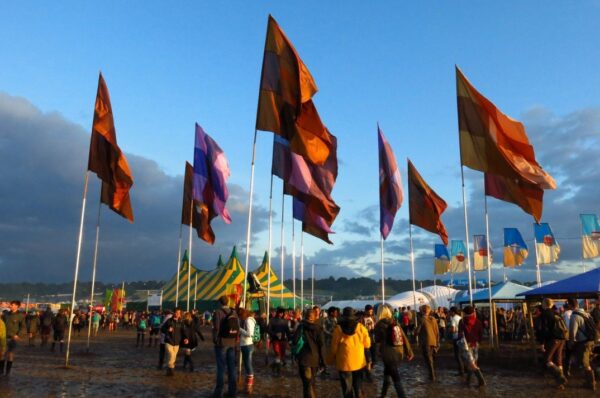
In a valiant attempt to make insurance interesting, musical and musician insurers, Insure4Music analysed some data recently and found that Glastonbury tickets could cost more than £78,000 by 2072. Already rumoured to be featuring Coldplay with Keith Richards guesting, the ticket price is calculated by increasing this year’s price by the rate of increase from 1970 to this year, a whopping 27,900%.
Of course, this doesn’t take into account any slowing of the rate of increase, nor does it suggest that the price might even drop to £0 like it did in 1971 when it was probably sponsored by MySpace. I don’t know, I was 4.
Anyway, more interesting numbers suggest that UK average weekly pay will have to be £83,000 to keep up with the price rise if it follows the prediction by musical and musician insurers, Insure4Music.
Anyway, we’re all off to Pilton to stay in a £30 grand, fully serviced, 8 bedroom yurt, booked online from an email that we only saw after checking our spam folder, so the rest of this is a cut and paste of figures from, you guessed, musical and musician insurers, Insure4Music.
In 1970, the nominal average weekly wage for a UK worker in full-time employment was £18.37, meaning that a £1 Glastonbury ticket equated to around 6% of the average weekly pay. To put these numbers into perspective, £18.37 in 1970 is worth £302.78 today thanks to inflation, with the £1 ticket also clocking in at £16.48 in 2022’s economy.
Today, however, the nominal average weekly wage is £556, and Glastonbury tickets are £280—or roughly 50% of the weekly pay packet of someone earning the nominal average. That means there’s been a 44% increase in the ticket to weekly wage ratio since 1970—a trend which, if mirrored again, would see the nominal average weekly wage in the UK also soar to more than £83,000 by 2072 to keep up. That equates to a mouthwatering £4.3m a year.
By 1979, Glastonbury had become a three-day-long event, and tickets had gone up to £5, or £26.95 in today’s money. Average wages were also rising by the time the ‘80s arrived, with the weekly average surpassing £100 for the first time. In 1982, full-time UK workers could expect to pick up £104.49 a week on average, while a ticket to Glastonbury was a humble £8.
It wasn’t until years later, in 2003, that Glastonbury ticket prices surpassed £100 for the first time, with festivalgoers paying £105 that year to see the likes of REM and Radiohead headline. Again, for perspective, that’s around £176 in today’s money. Tickets dwarfed £200 for the first time in 2013—£205 to be exact—while the nominal average weekly wage then sat at £473.92.
Commenting on the findings, John ‘Stats’ Woosey, founder of musical and musician insurers Insure4Music, said: “We all know festivals can be pricey, but it’s not until you see figures laid out like this that it really hits home how much things have changed and how much they could still change.
“These price projections are unfathomable today, but then again, so is the idea of Glastonbury costing just £1. The truth is that nobody really knows what the future will look like—but there are some huge changes on the horizon if history is anything, at all, to go by.”
Tickets for the last Glastonbury Festival pre-COVID in June 2019 were £248. Interestingly, this is worth £264.08 today; such is the consistent rate of UK inflation. Average wages three years ago sat at £537.50 per week, too, so a worker earning this would’ve had to part with 46% of their weekly pay to attend Glastonbury in 2019.
Had the COVID pandemic never happened, 2020 would’ve been Glastonbury’s 50th-anniversary festival. Instead, that title now falls to 2022.
It’s a huge, eagerly-anticipated spectacle for many, but should we be fearful about our beloved festival’s future?
I wonder how much Glastonbury’s insurance premium has risen in the past 50 years. Maybe musical and musician insurers, Insure4Music could tell us.
