
Finally, some good news in the UK…at least when it comes to our events industry. Earlier in February, the event marketing company Mustard Media announced it had helped drive £166 million in ticket revenue for its music, sport and hospitality clients.
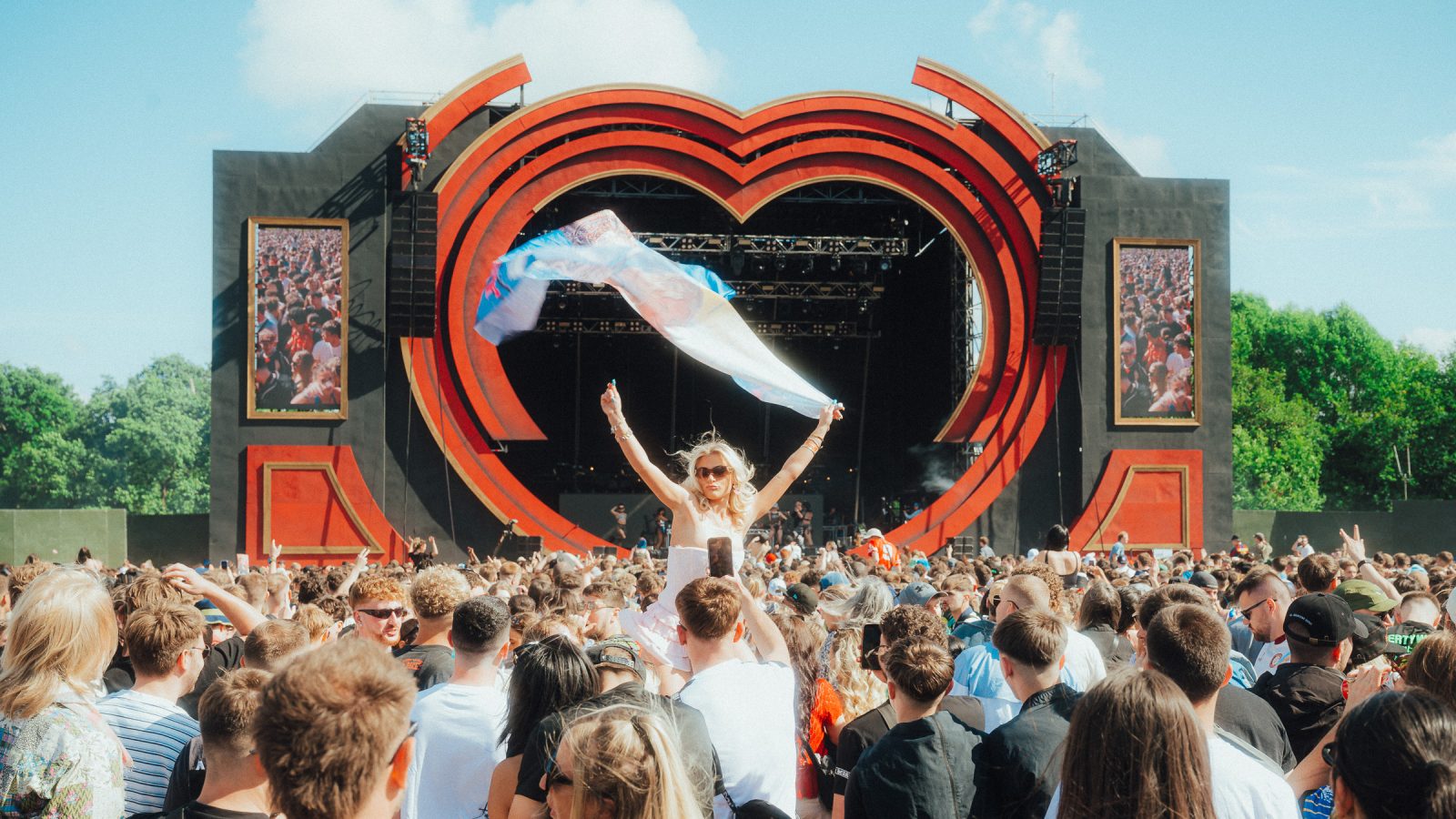
The report highlights many success stories. A TikTok campaign for Reading & Leeds Festival drove a 488% uplift in purchases, while Derbyshire’s Y Not Festival doubled its launch sales with a +130% increase. Perhaps most importantly though, it tells us what festivals can and should be learning from the wider sports and events industry.
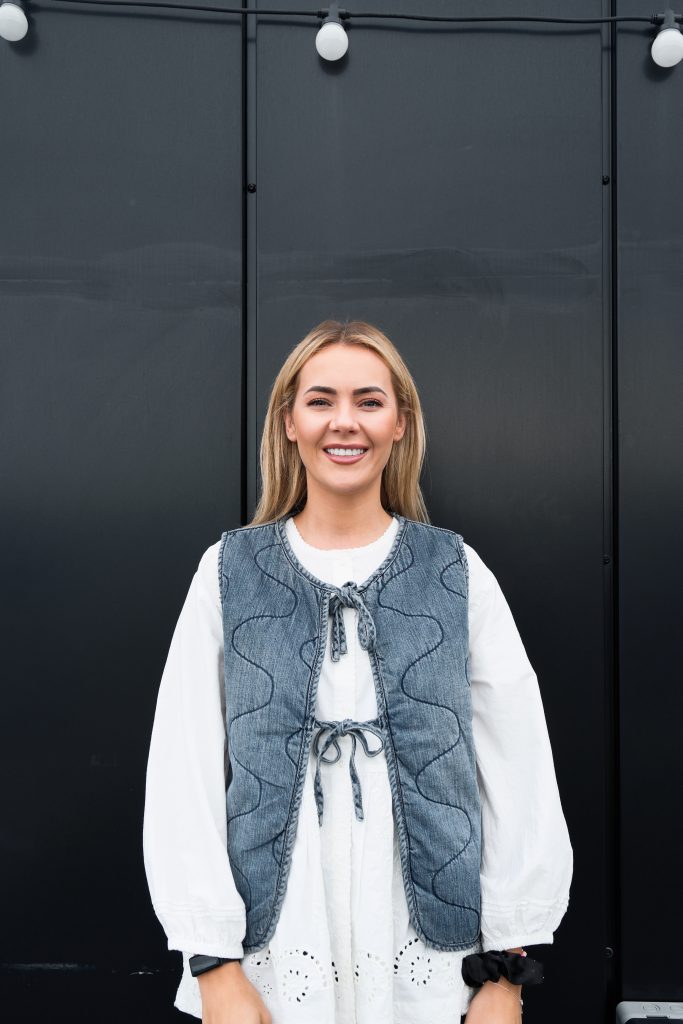
Mustard Media’s Strategy Director Sian Bennett is someone very much a leader in what it takes to build and grow an event. And Sian’s expertise is not just built on industry hunches and what if predictions. It’s fuelled by years of experience and real life, traceable data.
Gone are the days where gig posters and the odd Facebook post could sell tickets. The ever-changing nature of social media platforms, heightened competition and audiences becoming increasingly picky with their parties, new challenges occur daily. But that means there’s also opportunities. Here, Sian tells us what those are and what festivals should be doing to cultivate their crowd.
“Events as a whole are trying to be more experiential and are adding layers to the experience they offer. It’s almost like the festivalisation of an experience.“
Festival Insights: What are some of the key findings you found from the report?
“All the data from all the campaigns we worked on which we paired with some broader industry findings. We work with a lot different experiences, from festivals and events to women’s sports and experiential venues. We pulled data from over 50 clients from the UK, Europe, US and Australia.
The evidence we found was super clear. When it comes to selling tickets the experience economy as a whole is doing really well. And from what we’ve found the main issues in driving sales isn’t a demand issue. It comes down to [promoters] struggling to capture attention.
It’s harder to capture attention for different reasons. The changing nature of social platforms means that it’s becoming harder to target a certain demographic of person in a certain city. You now have to be much more creative in your targeting, and you need to target more broadly, which is harder to manage. Social media now is basically built for content creators, and as an event who haven’t got a lot of resources it’s hard to keep up with that.”
Festival Insights: How can events and festivals still find success on social media while these platforms are constantly changing?
“You have to be scientific with your paid social campaigns and your email campaigns and you have to be able to track everything and think a lot more strategically with audiences. It’s not just about marketing to your audience, but asking how you can harvest a new audience every year.
So many events fall off track by having a sense of belief that ‘this is our event and we need to tell everyone what’s going on’. But the way we think is totally audience first, which means assuming that nobody is going to come to your event or care about it. Audiences may have aged out from the year before, or their lifestyles might have changed. If you take that approach when marketing your event it becomes less about repeating the framework from the year before, but more about how can you keep ahead of the curve.”
Festival Insights: Does that speak on the changing nature of how you can promote an event in 2026?
“Previously it’s been quite moment based. You have your big line-up launch and you do your next announcement a few months later, but that campaign level mindset makes it hard to drive momentum. Announcements can come and quickly be forgotten about as you’re competing with content feeds. Tentpole moments are still important in a campaign, but you have to grow throughout a campaign to get in front of new people.
It’s really hard to compete on the level of these massive media publishers and content creators. So our focus is on, well, what channels can you own? And what’s in your control?“
Festival Insights: Why is this particularly important for festivals?
“A lot of the time, you have one shot to make your money all year round. You’ve got high fixed costs, limited resources and limited teams. You’re competing with mega retailers with 20 person marketing teams, so you have to box clever.
Marketing can almost price out some events, not because festivals don’t have the budget but because if you’re not working smart enough it’s easy to blow that budget on emails and ads that aren’t working.”
Festival Insights: What are some of the opportunities for festivals in 2026? And how are wider events taking inspiration from festivals?
“The buzzword at the minute is ‘experiential’. Events as a whole are trying to be more experiential and are adding layers to the experience they offer. It’s almost like the festivalisation of an experience.
We’re seeing this in women’s sports, the Cricket Hundred and [six-a-side football competition] Baller League. These are concepts which are taking a traditional sporting product but are then festivalising it in some way, and they’re all really big successes. The opportunity is so big because that’s the market is looking for these disruptive events, but at the same time everyone is fighting for the next hook.
Festival Insights: On the flipside, what are some of the challenges you’ve discovered festivals are facing nowadays?
“I think there’s a lot less loyalty in events now, and events really over egg the importance of retention.
There are always people who come back year on year, but if anyone looked into the percentage of return customers it would always be significantly lower than the first time attendees. Straight away that tells you that’s where the low hanging fruit is, and that’s capturing new people with new angles and new hooks. A good line-up in a field with decent food and decent production would be really hard to cut through today.”
Festival Insights: What’s one key tip you’d offer any festival when they’re marketing their event?
“Owning your own data is so so important. A lot of people sit on really big sign-up lists, they launch their event, they’ll see a 5-10% conversion rate but there’s still 19,000 people you haven’t converted. You really need to think about how you can use everything in your power to convert that list, but too many people sit there scratching their heads wondering what they can do next.
Owning your own data gets into the psychology of why people buy tickets. It also shows you who your audiences are. Are they families? Are they Gen Z? Are they groups of friends? If you have a huge sign-up list but you don’t know who your audience is, that’s where you can go wrong. So try to build as many data points for your audience as you can, track it, measure it, know where you’re gaining success from no where to double down on. You may not have the biggest budget in the world but that’s how you get more bang for your buck.”
