

As larger festivals have more sophisticated accreditation setups at their disposal, smaller teams are on the back foot. Technology has developed to help smaller events do more but the issue can be around implementation.
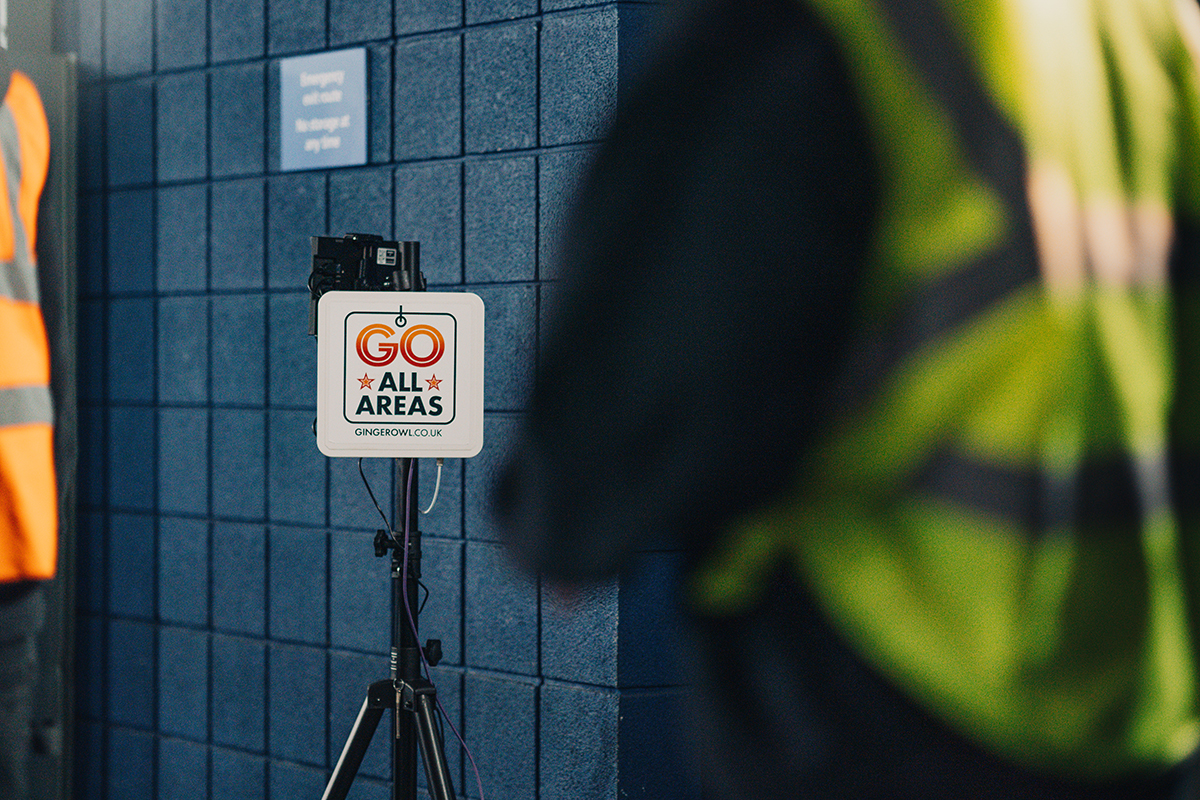
To help with this problem Ginger Owl Productions developed GOAllAreas, a platform that streamlines critical operations and gives real-time information from pass types, completed health and safety inductions and expected vehicle numbers.
Winners of the Outstanding Contribution award at the 2023 UK Festival Awards, Ginger Owl Productions have been putting on events for the past 13 years. And one person behind it is co-founder Nancy Skipper.
With over 25 years of experience, Nancy has seen the world of event production shift as technology accelerates. Here, Nancy gives us her take on where festival accreditation is and where it might be going.

“Having been in the industry for over 25 years, I have seen big transformations from paper lists and highlighters to real-time digital systems, and this shift has accelerated.
Larger festivals and events have genuinely sophisticated setups; a significant chunk of the mid-tier needs to catch up. The technology to do so much more exists, but the gap is around the awareness and resources to implement it properly.
Systems have far greater capabilities now, from processing access requirements and scanning to include catering, sustainability and guest list functions.
Every scan is a data point.
The data generated really comes into its own in its analysis. This can be done post-event, or in real-time, allowing event producers to identify trends either across event brands and products from site to site, or benchmarking specific events and show types against each other to establish patterns.
This in turn, informs and enables them to make significant changes to staffing or provisions required and to improve sustainability or reduce spending.
There are many examples where scanning makes a real difference. This could be long-range scanning, making access more efficient and streamlined for VIPs or high-footfall areas, or catering scanning that allows events to drill down into meal numbers, reducing food wastage by giving greater insight into requirements in advance of meal times.
The common pain points are still there, of course. Credential duplication, lost passes, the inevitable VIP who arrives with nothing, and gate bottlenecks at peak arrival.
One thing that has genuinely changed in recent years is being able to act on information in real-time.
With GOAllAreas, our platform that launched in the past 18 months, you can revoke access centrally, and it propagates instantly across every scanning point on site. You can see a zone approaching capacity and manage flow before it becomes a problem.
The idea of a system like this is to put control back into the hands of the end user, meaning changes can be made in real-time to adapt to the changing needs of the teams they’re responsible for. They can update the names, details and requirements of their team members directly in the portal, reducing admin and avoiding last minute issues at gates and windows, allowing better and smoother access to those working on event sites.
I also believe the upcoming implementation of Martyn’s Law is changing the conversation in the right ways. Accreditation is moving out of the logistics conversation and into the security framework.
With it, you will know who is on your site, where they are authorised to be, and you can account for them if something goes wrong. It’s not just about getting people through the gate; it’s about access control architecture, integration with emergency response planning and the audit trail. GOAllAreas enhances efficiency, security and is GDPR compliant, which means we can have those conversations with organisers from a position of real confidence.
Where is the industry heading in the next few years? I think we will see deeper integration across production and communications systems, which we need to, with Martyn’s Law on the way.
What I’d say to festivals today: get your data right now. The organisations that will benefit most from the next generation of tools are those that are building consistent processes today, with genuine ownership of accreditation end-to-end.“
Find out more about Ginger Owl here.
• As told to James Robertson.
