
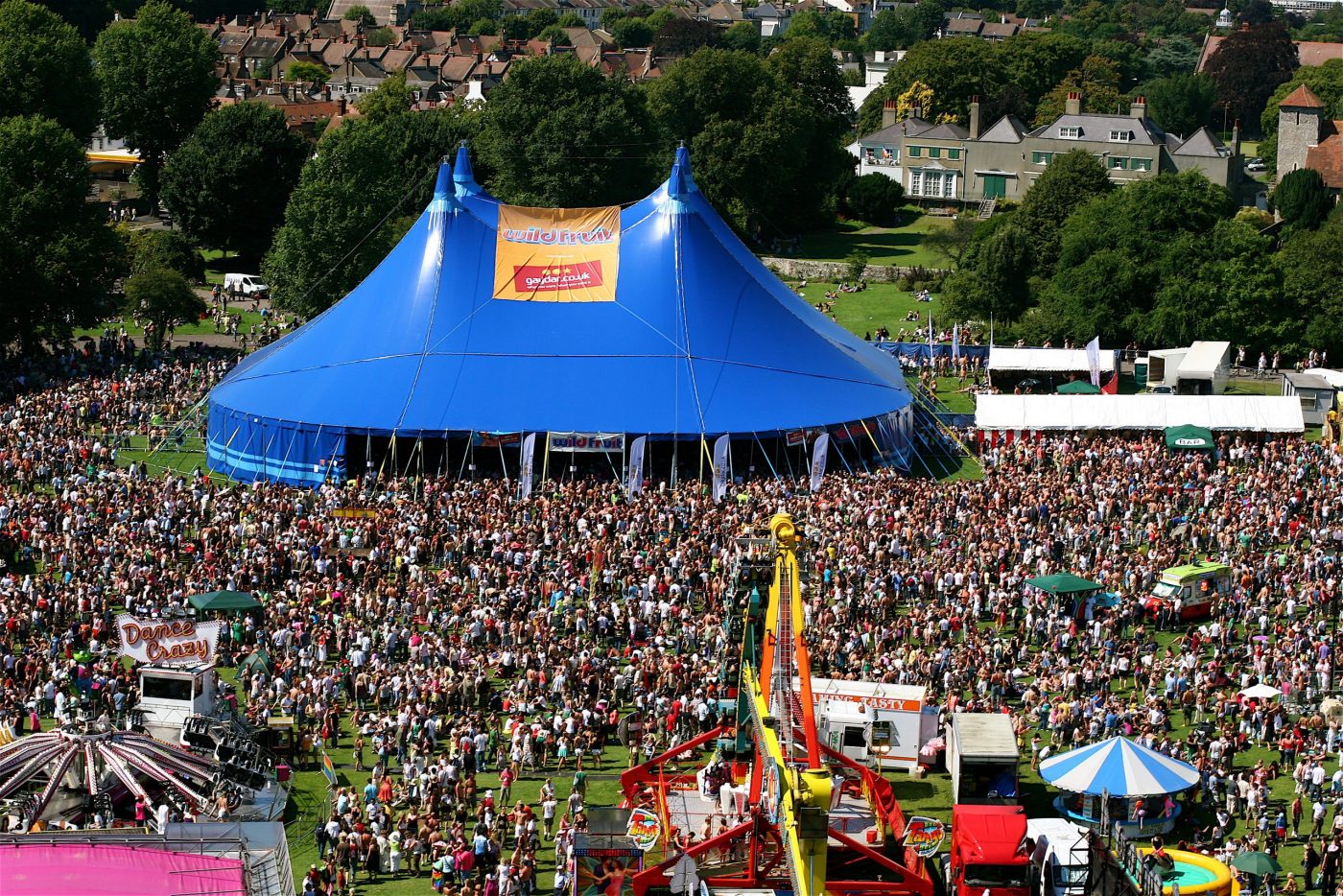
Extreme weather has often caused problems for festivals. Waiting in a downpour as a thunderstorm circles above, only for the next act to get cancelled, is something I’m sure a lot of fans at UK festivals have had to face at some point.
The disappointment of festival-goers is one thing. There’s always critics, after all. And sometimes, a freak incident might mean a stage performance is postponed. Other times, it can destroy stages and put the audience at severe risk of injury, or worse.
So, how do festival organisers handle issues of crowd safety and protocols as freak weather incidents become more common?
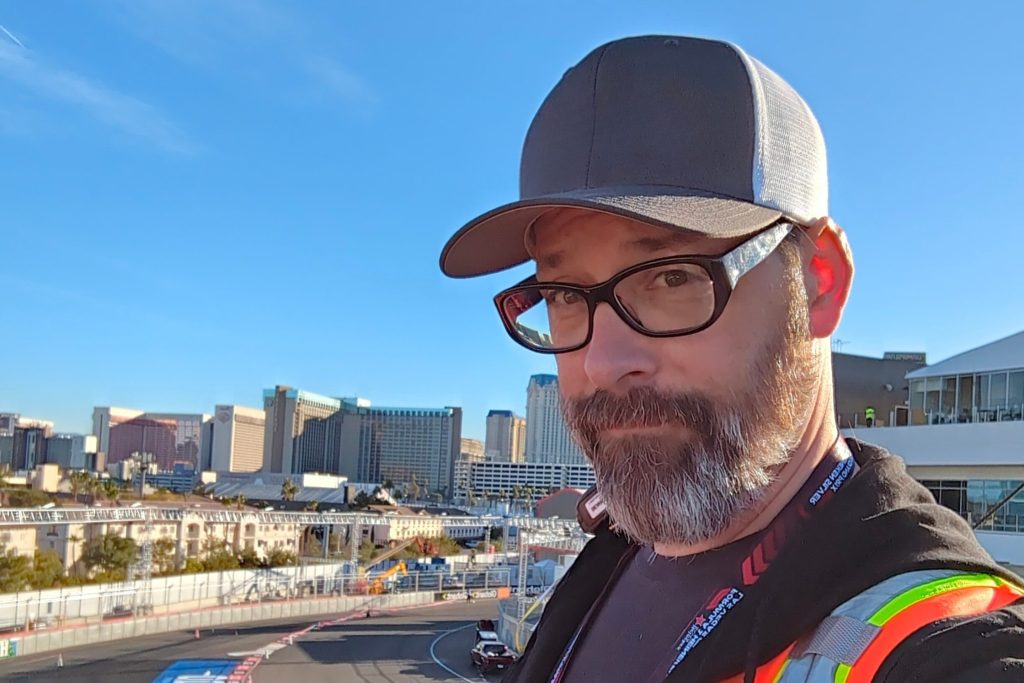
Here, Jacob Worek, senior operations manager at the United Kingdom Crowd Management Association (UKCMA), gives his insights into why the predictability of festival season weather is not guaranteed and how to prepare for the worst-case scenario.
“In April 2026, tens of thousands of attendees at the Stagecoach Music Festival in California were ordered to evacuate as wind gusts reached 65mph, forcing an abrupt halt to performances and a mass movement of people off-site. The event resumed later, but not without confusion, disruption, and a stark reminder of how quickly conditions can deteriorate.
While occurring in the United States, this incident reflected a broader and accelerating trend that is increasingly evident across the UK and Europe. In recent years, festivals have been cancelled mid-event, evacuated due to storms, or forced into last-minute operational changes. In 2025, Lytham Festival in the UK cancelled an entire evening’s programme after doors had opened, due to safety concerns over deteriorating weather conditions.
These are not isolated disruptions. They are symptoms of a wider shift. Across Europe, 2025–26 saw successive “train” storms: multiple severe weather systems hitting in rapid succession, bringing extreme winds, flooding, and widespread infrastructure damage across the UK, France, Spain, and Portugal. The implication for the festival sector is clear: the historical predictability of “festival season” weather is eroding.
For organisers, the challenge is not simply meteorological. It is operational, and fundamentally, about crowd safety.
Adverse weather transforms the risk profile of a festival site almost instantly. High winds threaten temporary structures. Heavy rain compromises ground conditions, increasing slip hazards and reducing vehicle access. Lightning introduces immediate life safety concerns. Perhaps most critically, weather events can trigger rapid crowd movement, often at scale, and often under stress.
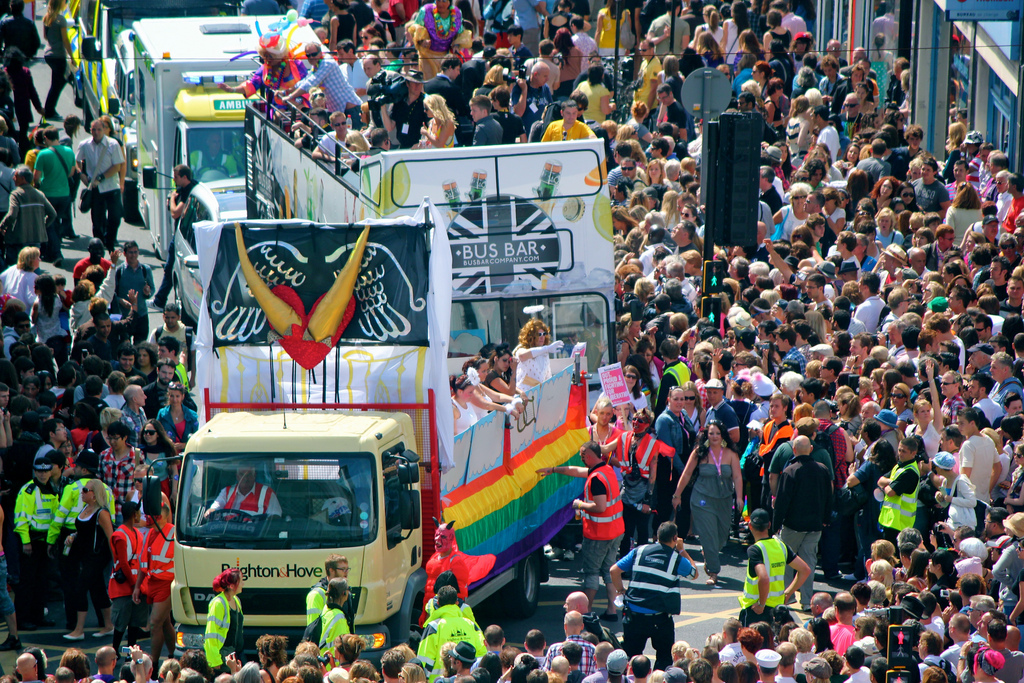
Evacuations, even when well-planned, place enormous strain on ingress and egress routes. Decision-making timelines compress. Communication systems are tested. And human behaviour becomes less predictable. We have seen time and again that it is not just the weather itself that creates danger, it is the interaction between environmental conditions and crowd dynamics.
This is where many events remain vulnerable.
Traditional planning approaches often treat weather as a contingency rather than a core operational variable. Yet the emerging reality demands a shift in mindset. Weather is no longer a “what if”, it is a “when.”
Preparedness must evolve accordingly. That begins with better use of forecasting: not just checking conditions, but understanding trends, probabilities, and thresholds for action. It requires clearly defined decision points tied to specific weather triggers. It demands robust, redundant communication strategies capable of reaching tens of thousands of people quickly and clearly.
Equally important is the integration of weather planning into crowd management strategies. How will crowds be phased during an evacuation? Where will they go? How will vulnerable individuals be supported? How will re-entry be managed if conditions improve?
These are not theoretical questions. They are operational necessities with significant consequences if ignored.
The festival industry has always adapted to change, but climate-driven weather volatility represents a different order of challenge. It is systemic, it is increasing, and it directly impacts the safety of our crowds and crews.
The takeaway for organisers is clear: stay informed, stay adaptive, and plan for disruption not as an exception, but as part of the operating environment.
Because when the weather turns, it doesn’t just change the show. It changes the risk.“
Find out more about the UKCMA and its work here.
• As told to James Robertson.
