
Mental health awareness has come a long way in the past 10 years, with the COVID-19 pandemic highlighting the needs of many from across all industries. But those years also acted as an accelerator for workers, particularly those in the events industry, to take stock of how their jobs have impacted their mental health.
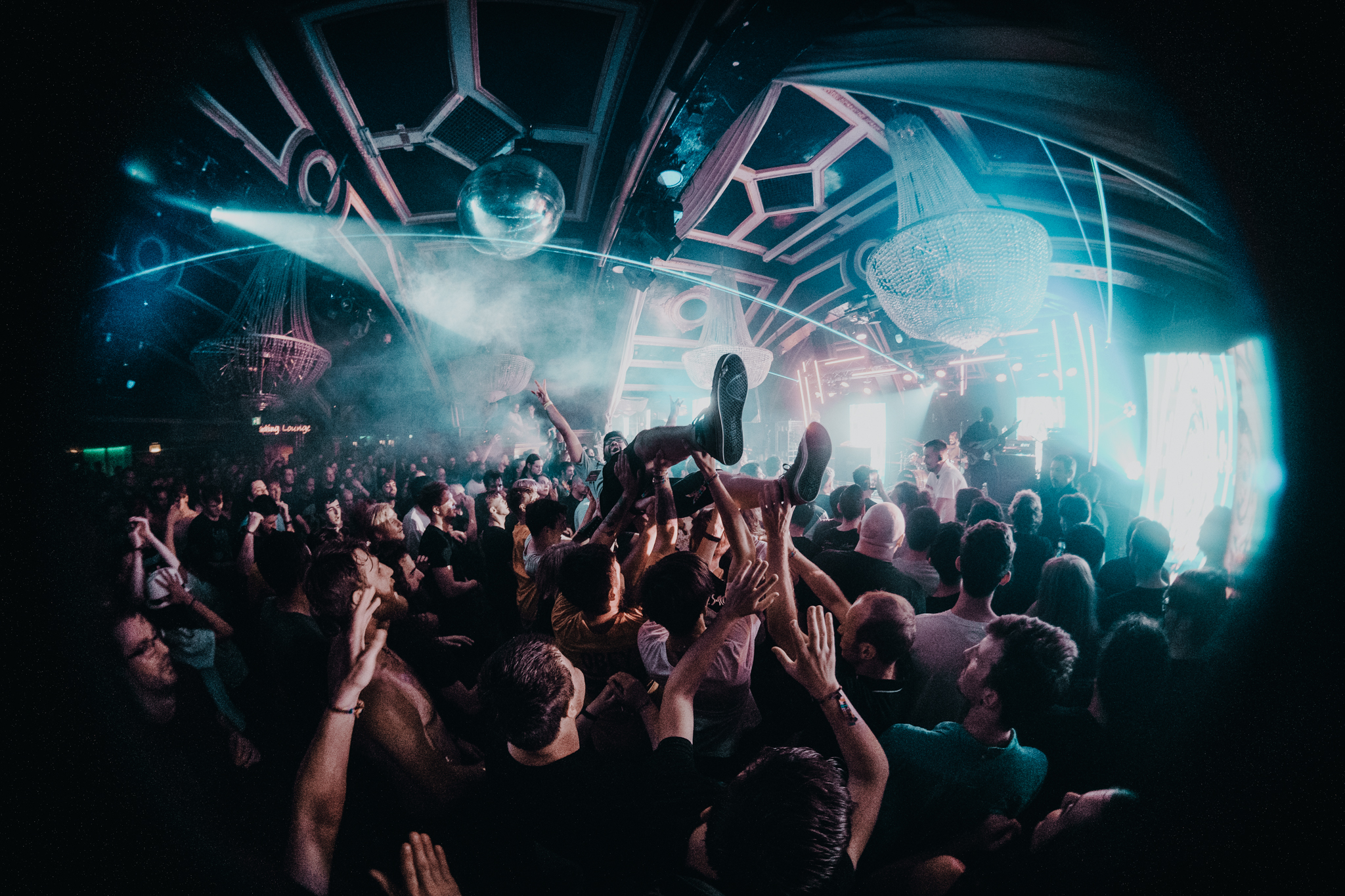
If you’re heading to a festival this year, you’re likely to see support from the Samaritans and Blink Therapy for audiences, as well as Music Support for crew and production staff. But how can organisations ensure their staff are safe and supported year-round, not just on-site?
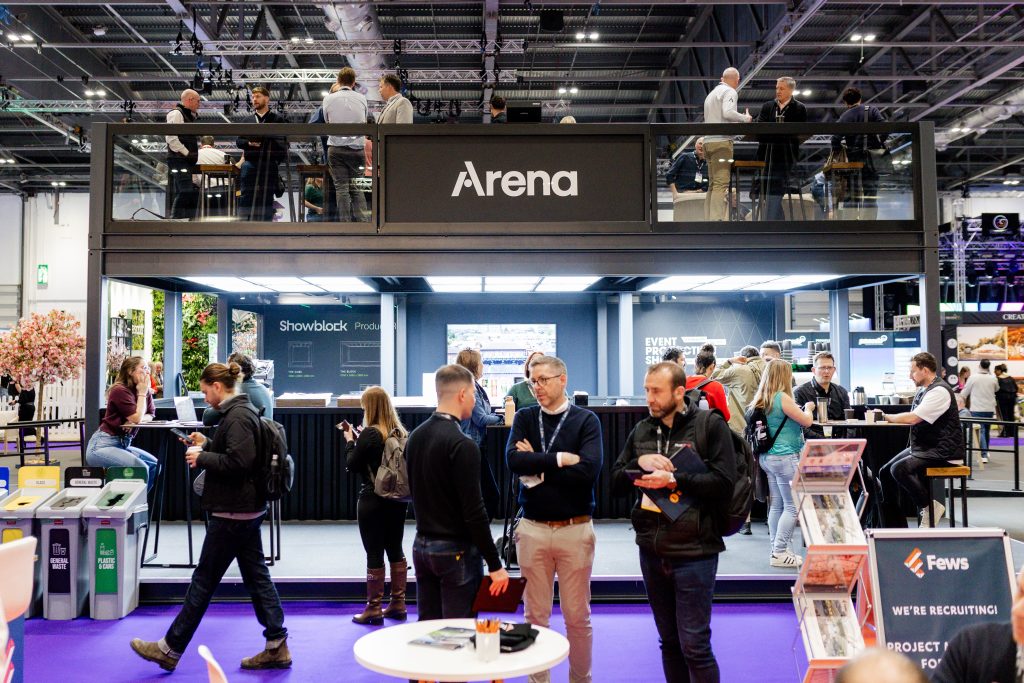
Arena Group, which builds temporary infrastructure solutions for festivals and events, is looking to answer that question with help from mental health charity Beder. Here, Ross Robertson, managing director at Arena UK and Europe, tells us how the company is looking after its staff and the importance of mental health support across the events spectrum.
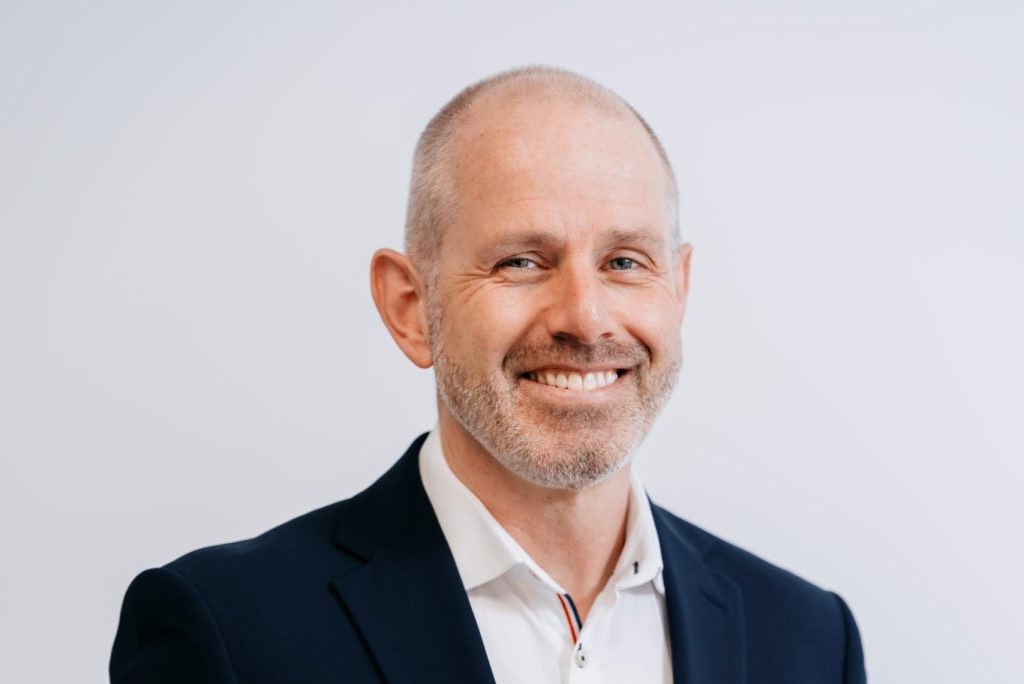
“Ahead of another packed season, the events industry is once again preparing for long days, late nights, relentless deadlines and the pressure that comes with delivering unforgettable experiences for audiences.
Every year, we pour months of effort into making sure each event is a success and every guest has an incredible time. But there’s a question we need to keep asking ourselves: how well are we looking after the people behind the scenes?
The event industry’s burnout problem
For years, our industry has worn overworking like a badge of honour. We celebrate the ability to “push through” when things get tough, to keep going through exhaustion, to answer one more email, take one more call, solve one more problem or work every weekend. That willingness to dedicate so much energy to a project is part of what makes live events, and event people, so special. But as many of us have learned, there is a fine line between commitment and burnout.
As we‘re in one of the busiest periods of the year, wellbeing, both physical and mental, cannot become an afterthought. Some demands are consistent – the busyness and pressure of the industry is something we’re all familiar with. Others present new challenges – as we’ve already seen this year, the UK is facing increasingly high temperatures for longer stretches of the year, creating new risks. The importance of protecting your team’s physical and mental health during this time cannot be overstated.
Small changes, big impact
At Arena, we speak a lot about the importance of making space to reset, even in the middle of the chaos. Sometimes that means properly switching off on annual leave, but often it is much smaller and more immediate than that. A ten minute walk outside between meetings. Taking lunch away from your desk. Checking in with a colleague who seems quieter than usual. Giving yourself permission to pause before moving onto the next task. These things can sound insignificant, but they matter more than we often realise. It’s important that we act on them, not just speak about them.
The event world is high energy by nature. It attracts passionate people who care deeply about what they do. But passion can sometimes make it harder to recognise when we need support ourselves.
Too many people in our industry still feel they have to get on with it in silence, not wanting to make a fuss or drop the ball. I still find myself checking in with team members, reminding them not to work multiple consecutive weekends. When too many plates are spinning they will eventually all come crashing down.
Since 2024, Arena has proudly partnered with the mental health charity Beder who take a unique approach towards raising awareness around mental health and suicide prevention through events and initiatives.
Beder’s philosophy resonates strongly with us at Arena because it recognises that conversation and connection saves lives. Whether through sport, wellness initiatives, education or community events, the charity is helping normalise discussions that many people still struggle to have.
What can leaders do?
At Arena, we have tried to build wellbeing into our culture in practical ways, through mental health support, encouraging openness across teams and creating an environment where people feel comfortable asking for help. But there is always more we can all do.
Wellbeing should not only become a topic when someone reaches breaking point. Prevention matters. Regular check-ins matter. Creating workplaces where people feel seen and supported matters.
The irony is that the industry built around bringing people together can leave those same people feeling isolated. During the busy season many teams spend weeks away from home, working under pressure while trying to maintain some sense of balance. As an industry, we have to recognise that rest is not a luxury, it is absolutely essential to performing sustainably and safely.
That applies at every level of the business, but senior leaders must set the tone. If managers never step away from their laptops, never take holidays properly and celebrate exhaustion as commitment, teams will follow that example. But if we openly prioritise wellbeing, boundaries and recovery, we give others permission to do the same.
A final note
The good news is that attitudes are changing. Mental health conversations in our industry are more open today than they were even five years ago. Organisations like Beder are helping drive that progress by removing stigma and encouraging people to speak honestly about how they feel, and more and more leaders are promoting a health-first culture within their teams.
As the busy event season ramps up, please take this as a reminder that looking after yourself is not weakness. Far from it – it is professionalism.
So even in the middle of the site builds, production schedules and endless logistics, take the walk. Check in with your team. Check in on the team member that always says they’re ok. And check in with yourself. Put the phone down for ten minutes. Choose to take your lunch not at your desk. Take some time.
Remember, no event is more important than the people making it happen.“
