

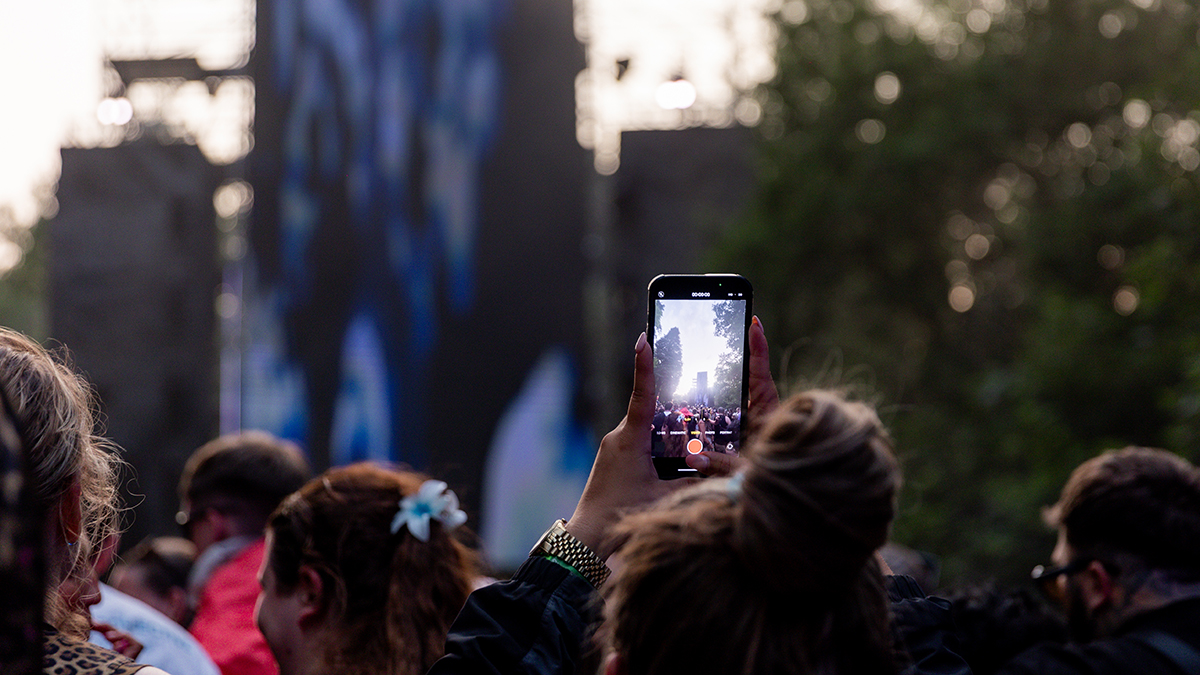
Festival sponsorship has traditionally been built around visibility. There are big logos, branded stages and high-profile activations, all designed to capture attention in crowded live environments.
That model still holds value, particularly for broadcast events with large viewing audiences. But beyond visibility, brands are recognising that offering practical support for attendees in real time can create deeper engagement.
As audiences become more dependent on digital infrastructure, practical support is becoming part of the experience itself.
From charging networks to service-led partnerships, infrastructure is no longer operating quietly in the background – it is shaping how people experience live events in real time. Lifesaver Power knows this from experience.
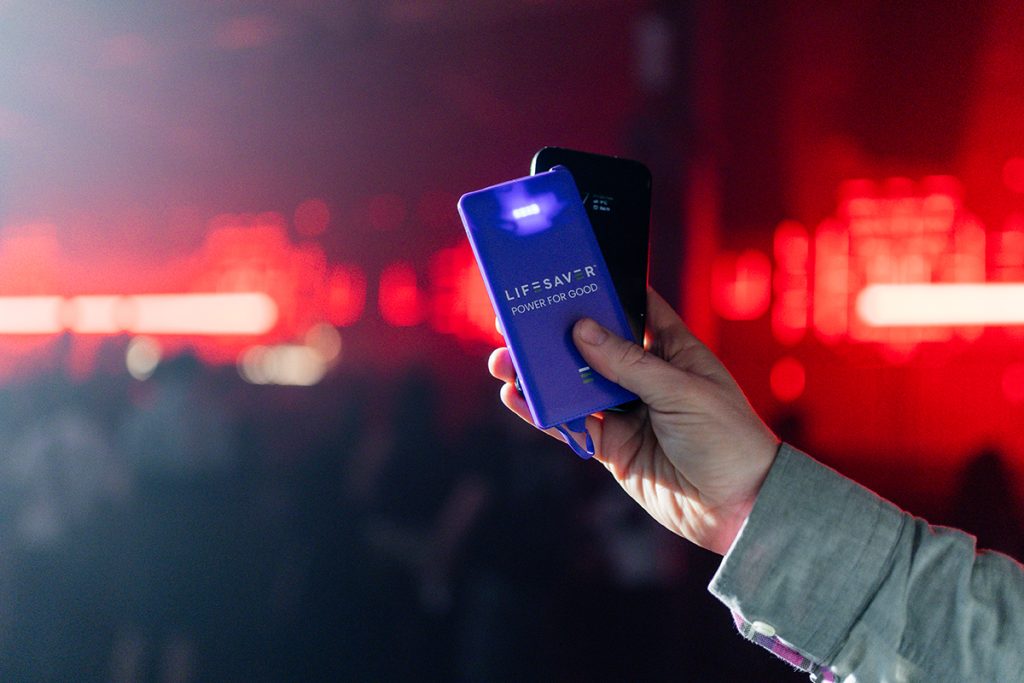
The portable charger company supplies portable chargers to events and venues from a vending machine. The chargers can then be swapped out during the event for a fully charged device, allowing festival-goers to stay connected during events.
Here, Archie Wilkinson, CEO and co-founder of Lifesaver Power, explains why brands that solve modern problems are becoming more valuable to festivals and festival-goers alike.
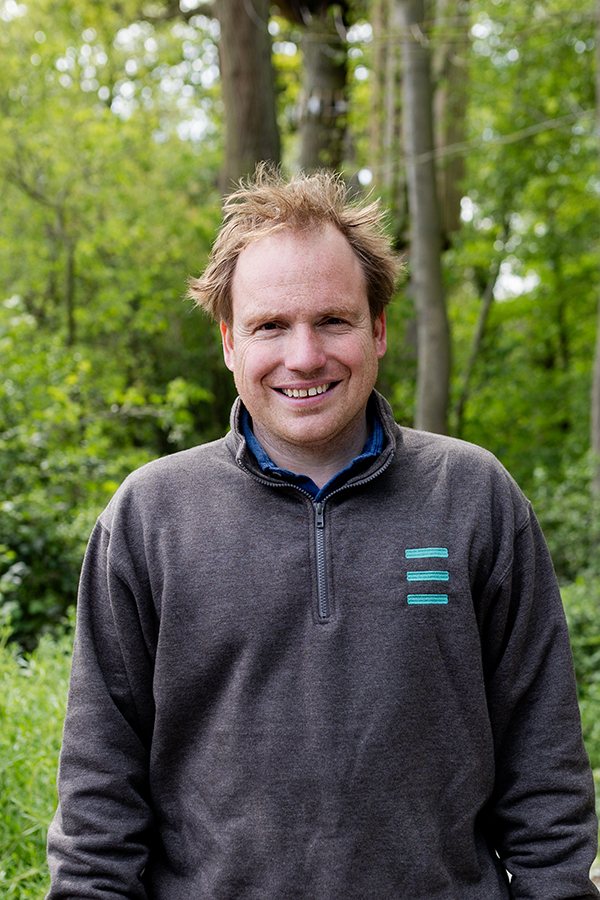
“For years, festival sponsorship was largely built around visibility.
The thinking was simple: the more visible a brand was at an event, the greater the impact. While visibility still matters, the role of sponsorship is evolving. As Joseph Pine describes in his book the Transformation Economy, audiences increasingly value experiences that actively improve, support or enhance the moment itself – not simply the brand exposure around it.
Across festivals, stadiums and live venues, audiences have become more selective about what they engage with and less responsive to traditional branded experiences.
At the same time, expectations around convenience and connectivity have risen sharply.
Festival-goers now expect live environments to work seamlessly around them. Their phone is no longer just a communication device; it is their ticket, wallet, map, camera, schedule, meeting point and their transport home. All of that now sits inside a device that needs constant access to battery.
That shift is quietly reshaping both audience behaviour and the wider festival environment around it.
At events ranging from Electric Picnic in Ireland, The Open and Forbidden Forest Festival to venue spaces like Wembley and The O2, one issue consistently shapes audience experience: staying connected.
Once a phone dies, the live experience changes immediately. People lose access to digital tickets, payment systems, travel information and communication with friends.
What was once a minor inconvenience can quickly become a genuine frustration, particularly at large-scale outdoor events where audiences are on site for long periods of time. In some cases, it becomes a welfare and safety issue as much as a convenience one.
Speaking with James Dean, Director at live event service TLC Welfare, he told me that ‘as one of the UK’s leading festival welfare providers, we’re increasingly seeing attendees arrive in our welfare spaces distressed because their phone battery has died.
‘Phones are now essential for reconnecting with friends, accessing tickets, making payments, arranging travel and receiving event updates,’ he went on to say. ‘When that connection disappears, it can quickly become a welfare issue as much as a convenience issue.‘
To me and Lifesaver Power, what is striking is how quickly people now notice infrastructure when it is missing. Connectivity now underpins almost every interaction attendees have across a site.
Cashless payments, app-based event navigation and digital ticketing have accelerated that shift even further, alongside the growing expectation that audiences remain connected throughout the day and late into the night.
As a result, the most effective sponsorships are increasingly those that integrate naturally into the audience experience itself. They’re not interruptive branding moments, but practical solutions that improve how people navigate and enjoy live events.
As Markus Thesleff, founder and CEO of The Thesleff Group, has told us: ‘our job is to bring joy. If we can make you feel great, we’re bringing something positive to the world.’”
More information on Lifesaver Power is available here.
• As told to James Robertson.
