
A lot has been written about the severe heat the UK has faced this summer.
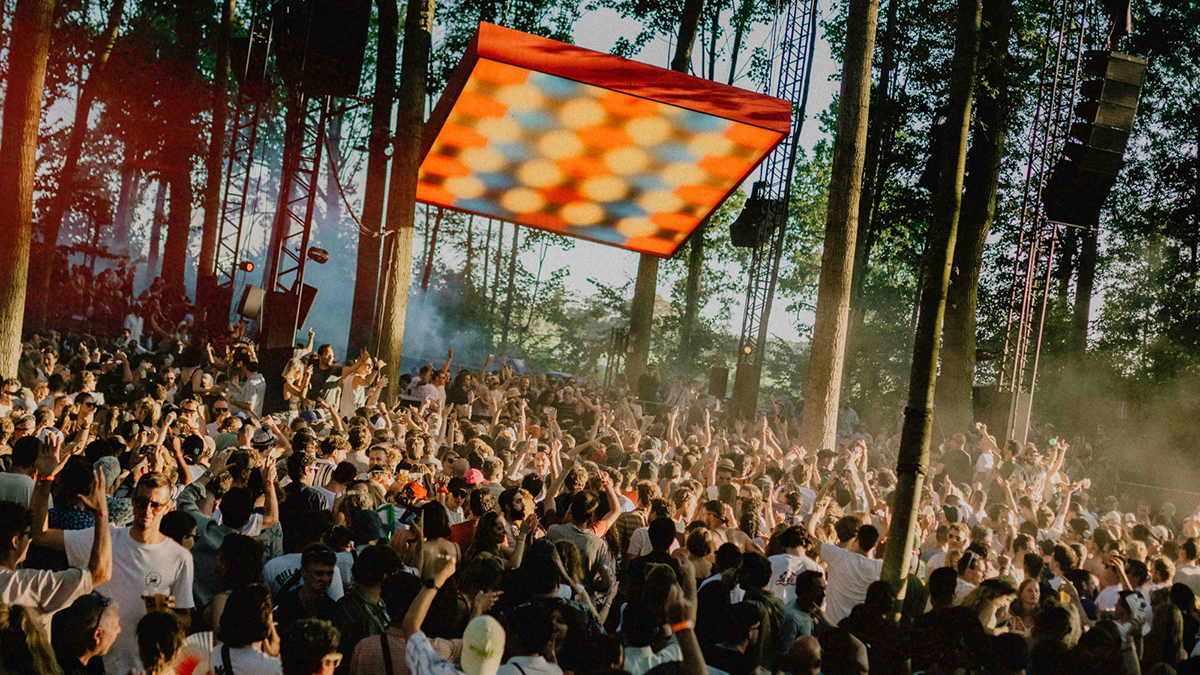
A string of festivals across Europe and beyond have been hugely impacted by the extreme weather we’ve witnessed throughout the season. We’ve heard from DTN’s EU weather expert Paul Knightley on the impact that the summer heatwaves have had on festivals, while CheckFire’s Joshua Marshall outlined the human impact and risk that comes when thousands of revellers are pouring into dry fields.
As the effects of climate change become more apparent by the day, practical sustainability solutions for festivals are more of a focus than ever.
A Greener Future (AGF), a not-for-profit for sustainability in the live sector, have been on-site at many of the UK’s festivals this year to check out the latest sustainability initiatives being implemented. This all helps steer AGF’s Greener Festival scheme, an industry-leading initiative that certifies a festival’s green credentials.
Claire O’Neill, CEO & co-founder of AGF, takes us through some of the ways festivals can promote sustainability, from waterless toilets to plant-based menus.
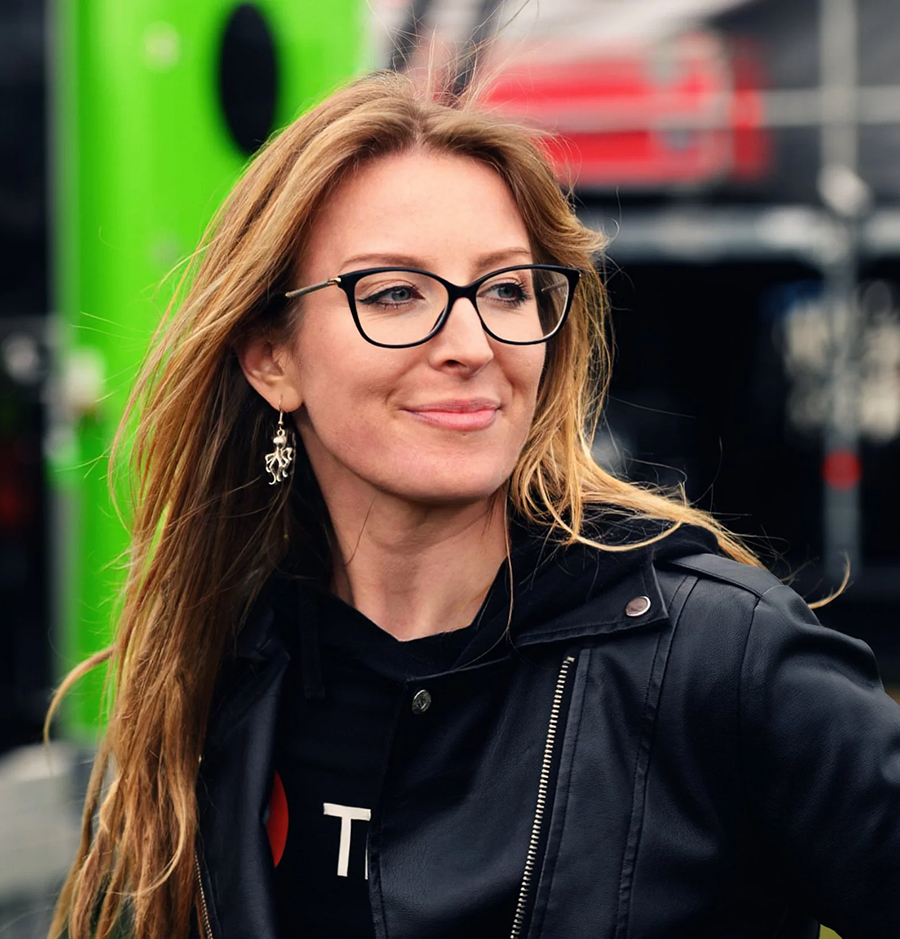
“As climate change comes home to roost, festivals are feeling the heat – and taking action.
With drought and wildfires across the UK and Europe, water conservation and fertiliser recovery are essential. Compost toilets are a wonderful action from a growing number of festivals. Paradise City (Belgium), Into The Wild (UK) and Boom Festival (Portugal) to name a few. Waterless and female urinals are becoming commonplace, too.
Green Man in Wales use Peequal female urinals and accessible compost toilets, which remain rare. These solutions generally require no energy, water or chemicals and they harness vital nutrients, often flat-packing down so more can fit on a trailer than portaloos, reducing trucking emissions.
A new system to convert urine into fertiliser has been trialled at festivals in the UK over the last couple of years by sustainable waste management company NPK Recovery, including at Boomtown and All Points East. Elsewhere, water treatment organisations such as MTD and Azuvia (FR) provide grey water processing and recycling units that can make grey water safe to use for irrigation – and dust suppression. These technologies are increasingly necessary as water shortages and dust become frequent issues for events.
Treating materials as valuable commodities is also critical to alleviating pressure on nature.
An excellent collaborative effort saw record recycling levels at LIDO, All Point East and American Express Presents BST Hyde Park, reaching up to 89%. AGF worked with promoters AEG, LS Events and NuGroup on a joined-up approach to minimise waste and maximise recycling and reuse.
Strict controls on materials sold in the arena means front of house waste is cans or compostable. Compostability certification is required and checked by AGF in advance and on-site with traders, sponsors and bars to prevent contaminants. The beauty of this is that all serveware and food go in the same bin, making it easy for visitors.
Compostables are then screened and sent to waste management company EnVar to make soil enhancer. This step is often missing and important to be aware of – an actual composting facility that can receive mixed compostable serveware and food.
Back-of-house, the litter team does an excellent job segregating materials on a conveyor belt system. The wonderful Waste Baling machine is used to compact and bale cans, card and soft plastics from back-of-house packaging, all with their specific destination. These efforts can even turn a waste disposal cost into income. Surplus items are donated through A Good Thing and to local charities.
Whilst adapting is critical, preventing further climate change and nature loss remains the priority.
Sectors such as energy and transport are on the path to decarbonising, but more can and is being done by festivals to prevent emissions and change behaviours.
Food is a major contributor to climate change, water use and nature loss, specifically industrial animal agriculture. 70% of the UK is used for agriculture, and 75% of this is for animals and animal feed. Plant-based diets would in effect free up 50% of UK land – and halve national water demand. Industrial animal agriculture effluent runoff is also responsible for a significant amount of pollution experienced in rivers today, killing wildlife.
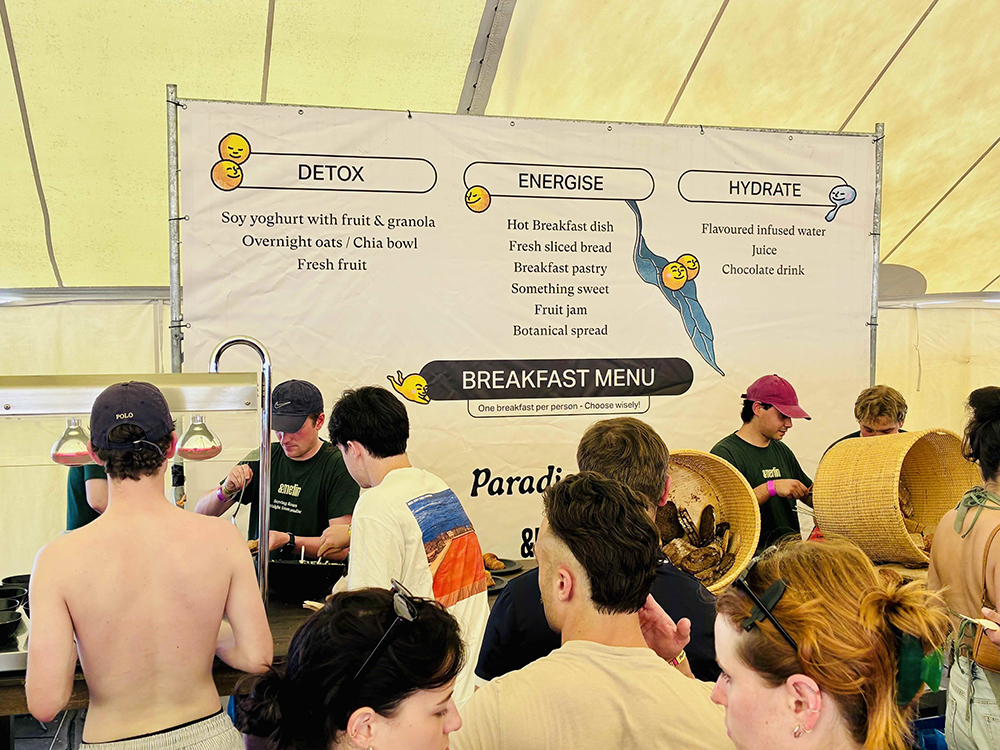
Many events are going plant-based or plant-forwards both front and back of house. Sweden’s Way Out West, DGTL Amsterdam and Belgium’s Paradise City are great examples. This action is one of the biggest things we can do to make a difference – and it’s free.
Transport is a major impact of rural festivals. Many, such as the UK’s Fire In The Mountain, organise coach travel from major cities. They set a target to reduce car parking spaces by 20%, which aligns with recommendations by the Tyndall Centre for Climate Change Research Super Low Carbon Live Music report.
We also created Grid Faeries x Ecotricity in 2024 with a mission to take diesel out of events. The ambition is to connect event sites to grid, using batteries to meet peak demand. So far, we’ve pwoered stages at events and festivals such as Massive Attack’s Act1.5, LIDO, Arcadia Dragonfly at Glastonbury Festival, Love Saves The Day and WOMAD. This year, we will also be fuelling a brand new stage at Reading Festival, named The Ballroom.
Our 1MW battery has been proving that main stages can depend on clean power. We can also eliminate noise, air pollution, fuel burn and use only what you need – no more overspec’ing of generators and burning fuel for nowt.
Things are changing. Ingenuity and dynamism are festival staples, so let’s crack on creating a liveable future we can all enjoy.“
Find out more about A Greener Future and their work here.
