
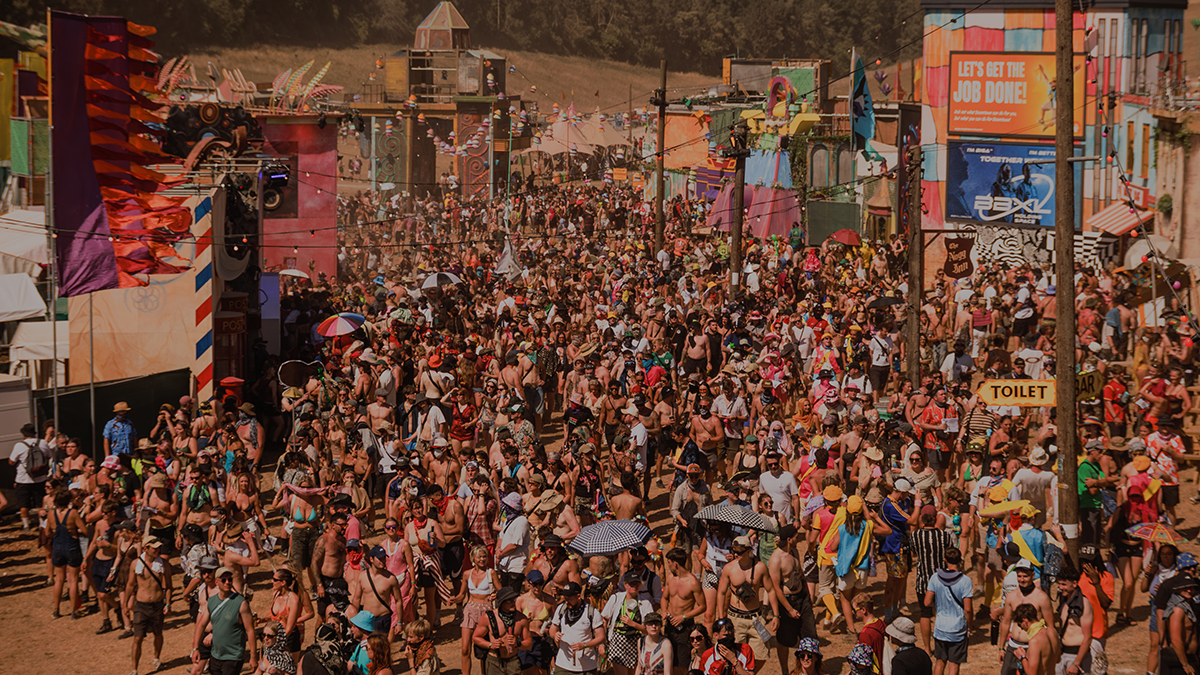
A lot has changed since music festivals began. In 1970, getting into Glastonbury, then Pilton Festival, would have cost you a pound, which included a bottle of milk but very little infrastructure. You’d share the field with around 1,500 other fans, but probably more, given that the high walls that now surround the Somerset festival didn’t exist back then.
But times have very much changed. As festivals have grown over the decades improvements have been made, from stronger fences keeping Glastonbury trespassers out and better security protocols to online ticketing and cashless systems. Gone are the days of queueing outside a physical box office to purchase your tickets or waiting on a phone line. All these help streamline and enhance the customer experience.
A lot of these improvements stem from advances in technology, from the internet to the mobile phone and now to AI. We have constantly increased how reliant we are on technology, but as more ticketing and event platforms for festivals are developed, are we leaving important data siloed? If we are unable to link these platforms, how can we see the full picture of what attendees experience or how festivals operate? When an attendee buys a ticket through one platform and then sets up a cashless wallet in another, those two journeys and the data from them remain separate.
A Dutch tech company is hoping to bridge that gap with its platform, Amplify. Amplify brings existing software into one place, whether that’s ticketing, cashless systems or CRM. Amplify uses all the data it brings in from these other platforms to give festivals added insight and potentially a direct line of communication to users through bespoke apps.
The person behind this is Amplify CEO Sebastien Westerduin. Sebastien founded Amplify in 2022 and brings 10 years of experience developing B2C apps and festival technology to Amplify. At the time, he noticed an opportunity with data and AI post-COVID, realising that if festivals wanted to utilise AI, they would need to be able to control and own their data in one place.
“We call ourselves the operating system for live events,” says Sebastien. “What that means is having all your data centralised and having high-quality products for your customers. So it all feeds into one place and you can actually leverage AI.”
Amplify, Sebastien says, creates bespoke solutions for its clients and begins the process by creating what it calls an operating system, or OS. It brings all the platforms the festival has together in one place and makes sure the data is in one language that AI can understand and provide feedback on.
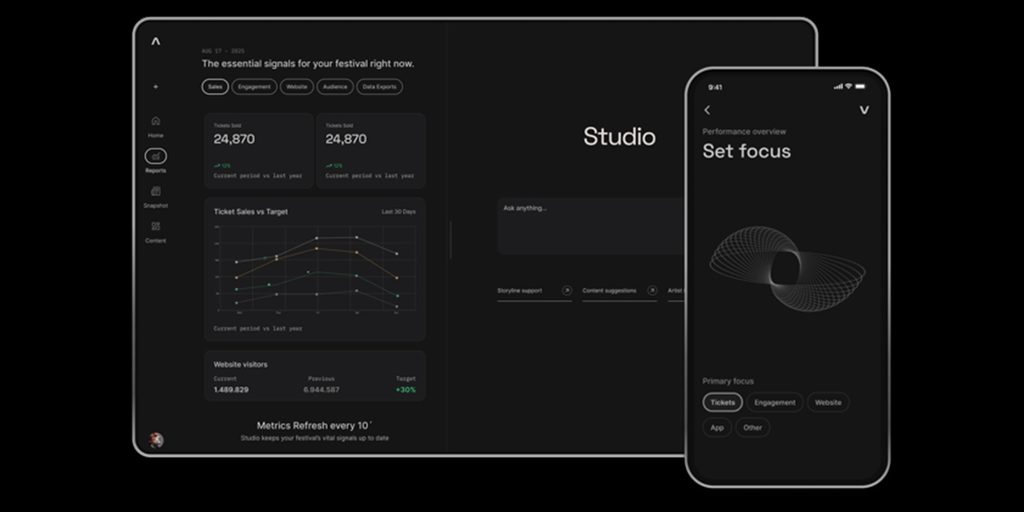
Currently, Sebastien says the industry is importing and exporting data rather than having a full read on all of its data. “What we want to bring festivals to is real-time, data-driven decision-making,” he says.
Once the user has imported clean data and started centralisation, they then move on to integration, bringing in these other platforms. That progresses to automation and then simulation and prediction.
All of this is connected to what the organiser wants to get out of the platform and their understanding of the event, thinks Sebastien.
“These are the natural progression steps of also how advanced the client becomes with technology and data, but it first starts with the basic questions, and that is, why are we performing like this?” he says. “The better you can understand your event, the better you can actually improve it.”
One thing that Sebastien has noticed in the festival industry is how much data and information organisers are putting on other platforms. With content creation getting easier and, in a lot of cases, cheaper to produce, a lot of festivals may find themselves creating more content to post on socials. With a glut of content out there for people to consume, it can make it harder to organically reach your own audience or even gain new ones without spending money to do so.
To help counteract this, Amplify advises having a community on a platform that you own. Often, this will be an app which will have everything attendees need, from putting money into cashless systems to maps and timetables, which the company creates. This gives festivals a place to communicate directly with their audience but also creates a simpler user interface, which doesn’t require attendees to log into multiple platforms.
“When you have something to communicate, you pay zero, because it’s your community,” says Sebastien. “And having your community in one place means that you have a place to talk to them, that you understand who they are, without bringing that value to other platforms.”
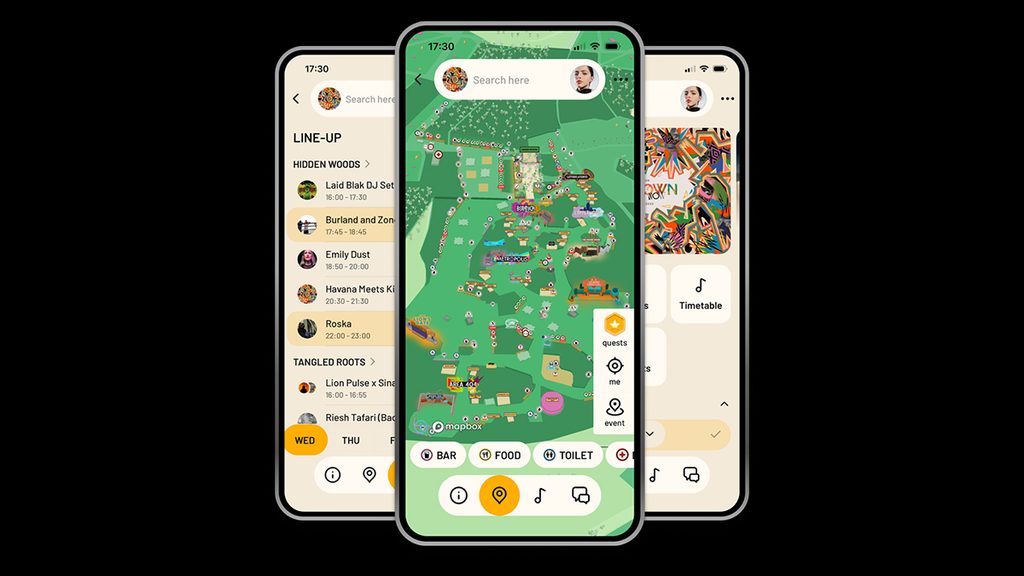
One of Amplify’s early clients was the much-loved Hampshire festival Boomtown. In 2025, Boomtown launched the app Boomtown Unboxed, winner of the 2025 UK Festival Award for Tech Innovation of the Year. A collaboration between Amplify and creative agency Monks, Boomtown Unboxed fit into Boomtown’s creative storytelling and immersive experience by allowing users to scan story points with multiple badges and levels and receive a personalised video at the end of their experience.
The Boomtown app also created simple improvements to the attendee experience. A practical example of this is the use of real-time data to communicate to users which campsites are full, preventing them from wasting their time.
This personalisation of content is part of what Amplify says leads to higher attendee retention and earlier ticket sales for the following year.
“The benefit of directly selling after the event is making sure that you use that organic reach that was created from all the content that is flowing around your amazing show,” explains Sebastien. “That gets converted to people already joining for the next year.”
However, not all festivals are the same. What works for Boomtown may not work for smaller events, family field gatherings or 100,000-capacity weekenders. But Amplify works with festivals with as little as 5,000 attendees, all the way up to bigger ones like Boomtown. While some platforms have operated with a one-size-fits-all approach, Sebastien says that Amplify focusses on a more personalised approach for every festival.
“We can personalise way more because certain festivals just have very, very different setups, team structures and needs,” Sebastien says.
“Software service is a product, and that’s it. And what we do is we customise every OS that we build according to the festival’s needs and wishes.”
As part of Amplify’s strategy, Sebastien has set out a five-year plan which describes the different steps of the Amplify journey: centralisation, integration, automation, simulation and prediction. Each of these, which Amplify calls ‘Gens’, becomes a focus for that year, with Gen III focusing on automation and Gen IV on simulation. For Sebastien, that means using data to create a picture of potential outcomes.
“I think festivals make so many decisions based also on gut,” he explains. “And there is a lot that you can do now when you have all of the data in one place that you can move towards more simulation on what might happen.”
What might seem surprising for an AI-centred platform is that Sebastien thinks festival-goers will become more focussed on full immersion and move away from the distractions of technology. He does think that platforms like Amplify can facilitate this, in part by curating content so audiences can focus on being in the moment.
“When technology actually does its role well, it solves all kinds of things for you in the background, and you have a better experience,” says Sebastien. “We’re not a company that wants to maximise screen time when you should be looking at what’s happening around you.”
Amplify will be holding an event at ADE 2026 focussing on its fourth-generation simulation technology, with a look at new products, showcase demos and speakers discussing the current state and future of AI.
