

The Race Equality in Music Event Licensing initiative, which was launched in July 2023, has now released its findings in a report that discloses systemic racial bias in the licensing of Black and South Asian events throughout London.
The project was set up after the Musicians’ Union and Black Lives in Music (BLiM) sent a joint letter to London Mayor Sadiq Khan asking for action in response to Black event closures.
REMEL says it brings together the Greater London Authority (GLA), Metropolitan Police Service (MPS), UK Music, LIVE, the Musicians’ Union and a diverse network of artists, promoters, venue operators and community representatives to “dismantle the unfair barriers in the music licensing system.”
The report used a combination of surveys, focus groups, FOI requests, industry stakeholder workshops, semi-structured interviews and desk-based research. REMEL says that the project faced challenges with limited access to official data and refusals of information from public bodies, but “every effort was made to ensure findings were robust.“
The report says that Black and South Asian promoters, artists and venue owners face excessive security demands and intense scrutiny due to their background or genre of music. Black cultural genres, including drill, grime, dancehall and Afrobeats, are labelled as “high risk” by authorities. The report goes on to say that licensing authorities often misuse area-wide crime statistics to justify closing venues or denying licences, even when the actual venue has a clean safety record.
The report also found that, while South Asian events and cultural activity were allowed to proceed, approval was often accompanied by reduced hours or extra conditions relating to CCTV, capacity, dispersal and restrictions on operating and entertainment hours.
When it comes to the media framing of incidents at Black-led events, including Notting Hill Carnival, the report examines the numerous headlines and extra levels of policing, including live facial recognition, compared with white-led events.
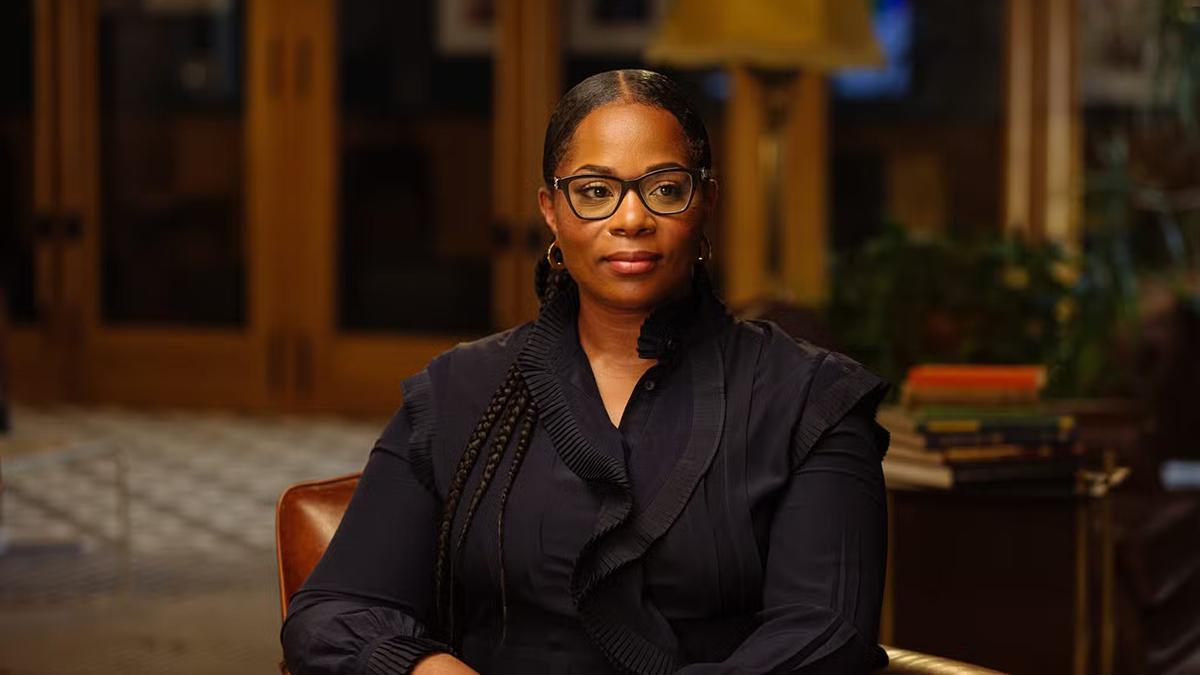
In a statement summarising the report, Charisse Beaumont, chief executive of Black Lives in Music, said: “Licensing doesn’t just affect a few artists or a handful of events. It touches every part of the music ecosystem, from the young artist trying to get their first gig, to the promoter building a platform for emerging talent, to the local venue that brings life to a community. When licensing decisions are shaped by racial bias and overpolicing, it suffocates creativity, stifles entrepreneurship, and blocks economic opportunity.”
More information and the full report are available here.
