


It’s just a big disco. This is a humble mantra that’s guided Bugged Out for three decades.
What began as intimate night at the Sankeys Soap nightclub in a shady part of mid-90s Manchester is today one of the most iconic names in UK dance music. While it was born in the electronic music boom, it’s survived by sticking to its roots. It’s hosted everyone from The Chemical Brothers, Daft Punk and Fatboy Slim to Daniel Avery, Erol Alkan and hundreds more along the way. It enjoys a fanbase that has followed them since day one. Dancers have spent hours under the lights, created lifelong memories, got married, had babies during Bugged Out’s lifespan, yet still return all those years after that first formative experience.
It all began with Paul Benney and Johnno Burgess and those first Manchester parties. And it true Bugged Out fashion, it intends to toast its birthday with a giant weekender held at Butlins Bognor Regis from 6-9 March.
But the history of Bugged Out hasn’t always been so rosy. By all measures, its first weekend festival in 2000 should have been a resounding success. The Bugged Out name was established and it was hosting some of the biggest DJs on the planet at the time. Club culture had grown out of its early roots to become a lucrative mainstream pursuit, something pretty valuable when dealing with the overheads that come with running a festival. The NME described it at the time as a ‘spiritual success’. “That was probably the kindest way to describe it,” says Johnno.
There were lessons to be learnt from that harsh experience. The weekender successfully returned in 2012 and past failures were all but forgotten. Bugged Out’s regular club nights continue to grow, its dancefloors acting as a home for multi-generational ravers. And all this will be celebrated with the Bugged Out Weekender 2026, an event that is “very unique, very fun and very British” says Johnno.
Here, we speak with Bugged Out co-founder Johnno to learn about the ups and downs of being a dance music promoter over 30 years, riding cultural waves and how to deliver ‘just a big disco’ in 2026.
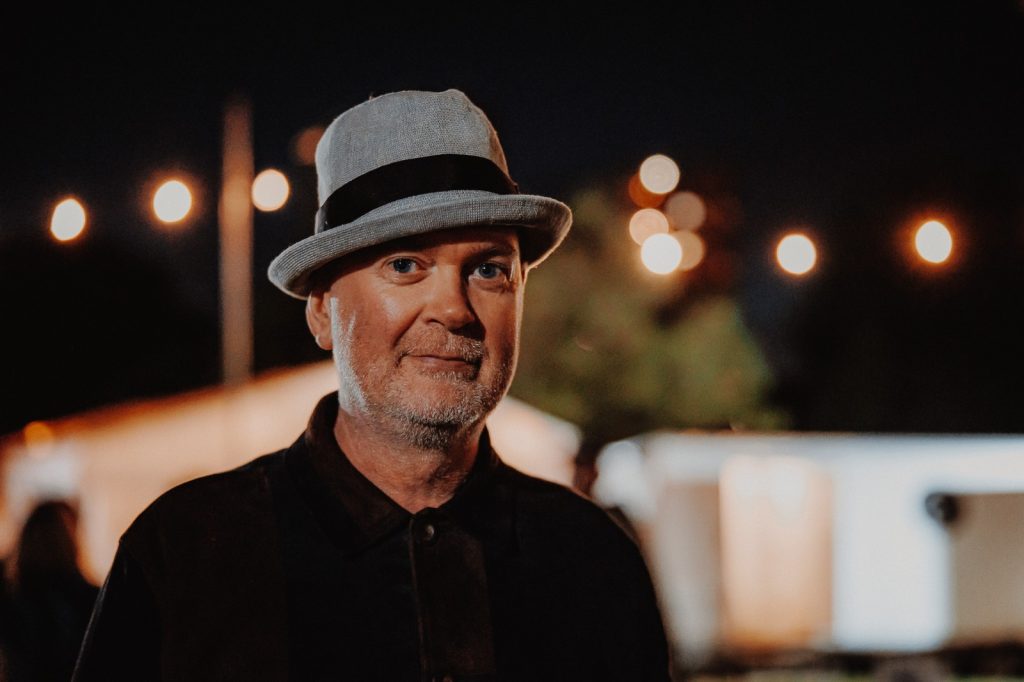
Festival Insights: How does it feel to look back over 30 years having created what came to be an iconic dance brand?
“It’s been interesting looking back over three decades, searching through the garage and finding all the old flyers and detritus and all that. We started at [the club] Sankeys in Manchester, and if we’d just done four years there I’d have still looked back on it all very fondly. But we managed to keep evolving.
When we started we also ran a magazine in the mid-90s called Jockey Slut where we could explore the wider dance music genre. We could write about artists such as DJ Shadow alongside techno, and it widened the scope of what we could do. We then met [DJ and producer] Erol Alkan in 2001 and we became a part of the electro sea change in dance music. We’ve been quite lucky with our timing or something’s happened in the culture that has shifted in our direction
We evolved through an absolute desire to and because we absolutely love the music. If you don’t like what you’re putting on your own club, you’ll quickly get quite bored. So I look back on that the nought is at the end very fondly as well. That’s what’s kept Bugged Out going. We’ve either evolved at the right time or or we’ve been quite lucky. Either way, something’s happened in the culture that has shifted in our direction.“
Festival Insights: How have crowds changed over the years?
“It’s really interesting. At the moment, it feels like people in their late-30s and 40s are going out again because they’ve either had kids or they just have a desire to go out again. But we also see lots of younger kids co-existing with the older crowds. Nobody bats an eyelid.“
Festival Insights: How important is it for you to really stick to your morals and ethos over the years? Has there ever been any temptation to go bigger, change how you do things or anything else?
“We’ve gone through a lot of shifts in our time. Our weekender in 2000 was a relative failure, and definitely a financial one. Genre-wise, we were riding the wave of electroclash with artists such as Miss Kitten, then the likes of Justice and Soulwax followed.
We then had dubstep and a more garage influenced form of dance music, which wasn’t where my head was at the time but in the end it gave us a real shot in the arm. It gave us an opportunity to book fresh talent that we might not have considered before. Either by design or by luck, we’ve managed to keep evolving while keeping our identity.“
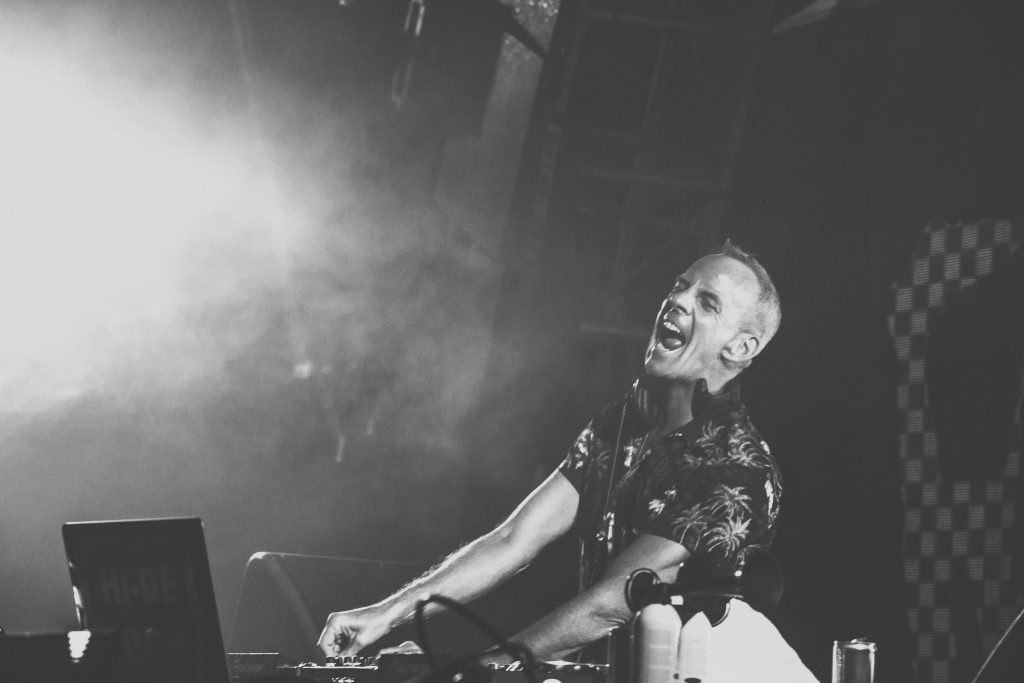
Festival Insights: How has the role of a promoter changed throughout your time?
“Being able to promote an event effectively through social media is one of the biggest changes. It’s so instant.
When we were running events in the 90s and 2000s, we were using flyers and posters. We either had to hope people saw them, or we had to book an advert in a magazine and hope it was effective. Now, we have our social media profile, we’ve got a mailing list, and we’ve built up an online community over the years who we can speak to directly.”
Festival Insights: Social media is definitely better than standing out in the cold handing out flyers at 3am, but do you miss the more DIY promotion days?
“I miss the way items are coveted and kept. People keep their memories through the things they’ve collected along the way. I’ve still got all the flyers we printed from 1994 to 1998, and our crowds collected them. Now, they’re being shared on Facebook groups, which is great to see but it’s different.“
Festival Insights: Were you fortunate to have created and built your identity in a pre-social media time?
“Yeah. We’ve used the same designer for 18 years, and there’s definitely a look to Bugged Out that brings us some reverence.“
Festival Insights: From rising costs to constant club closures, it’s no secret that it’s pretty tough being a promoter in 2026. Do you think it’s possible to build something like Bugged Out today?
“15 years ago you’d go to a night on a Monday, Wednesday or Thursday it would be packed. Now, even the weekends are iffy.
When we started, we hosted a night every Friday night which really helped us build a brand and show people what we were all about. People would come alone after work knowing there’d be 20 people there that they knew and would dance with. But over the last four or five years the audience has shifted away from event clubbing. Now, they’ll save their money and maybe go to one club a month, and it’ll be probably a big gig or a festival.
There are still people doing exciting things, though. The heart of the dance music scene is in the queer spaces, where people still meet up every week to dance. There are smaller events where phones aren’t allowed. While there’s definitely been a shift to people wanting to go to bigger events, that could all change. It only takes another shift.“
Bugged Out Weekender 2026 takes place at Butlins Bognor Regis from 6-9 March. Tickets are available now.
The book, ‘Bugged Out – It’s Just A Big Disco (30 Years Of The Seminal Club)’ is available through Disco Pogo.
