
Matt Thomas had the dream job.
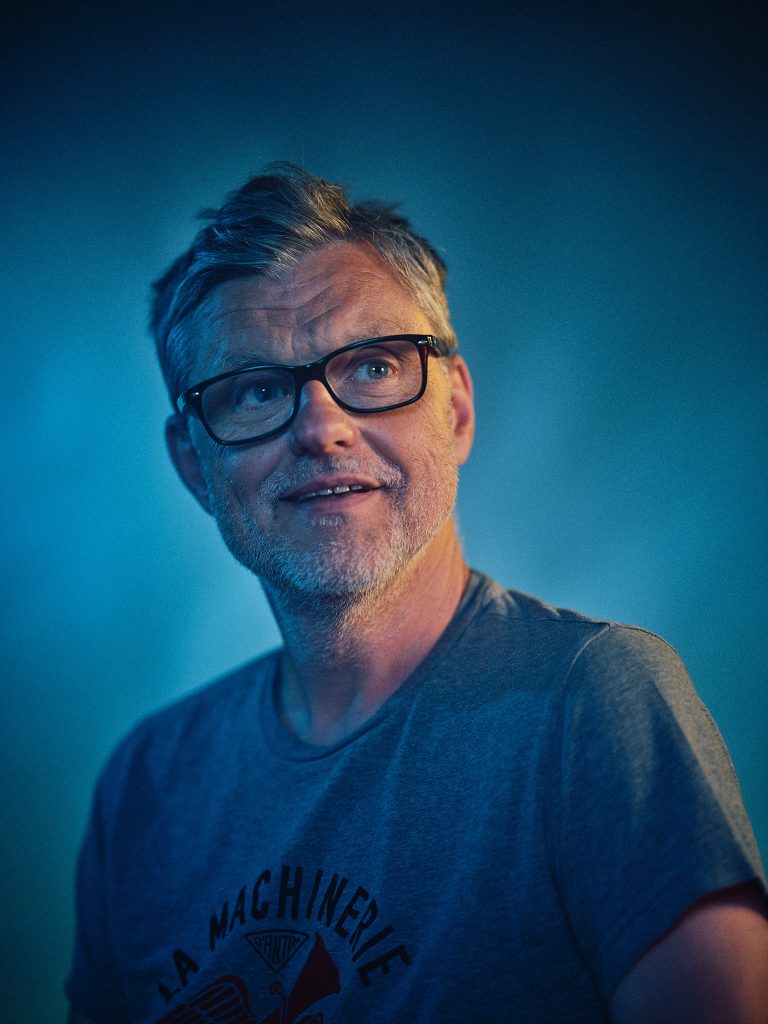
Throughout the 90s and noughties he worked in roles across the music industry, from artist management to being a Director of Marketing for Warner Bros. Records. This was a time when excess was celebrated and featured on front pages as a sort of badge of honour for aspiring rock stars. However, the impacts of living at 1000mph were overlooked. As a young music professional, Matt wasn’t immune to the same temptations, and ultimately the downsides, of substance use.
It was through these experiences that the Music Support was founded in 2016. This was through necessity, rather than an outright choice.
Over the years we’ve seen music icons and behind the scenes crews alike lose their lives and livelihoods to addiction and mental health issues, all while the party goes on. Seeing little change across the decades, Matt decided to create something that could initiate meaningful lasting change across the industry.
This came in the form of Music Support, which was co-founded by Matt and other members from across the spectrum, from tour managers to artists themselves. And this industry collaboration continues to drive its work today. Music Support offers help for artists, agency workers, live crews and others through many ways. It offers a helpline for those experiencing substance use, addiction or mental health challenges. Through a range of courses it teaches how to provide professional mental health and addiction support to others.
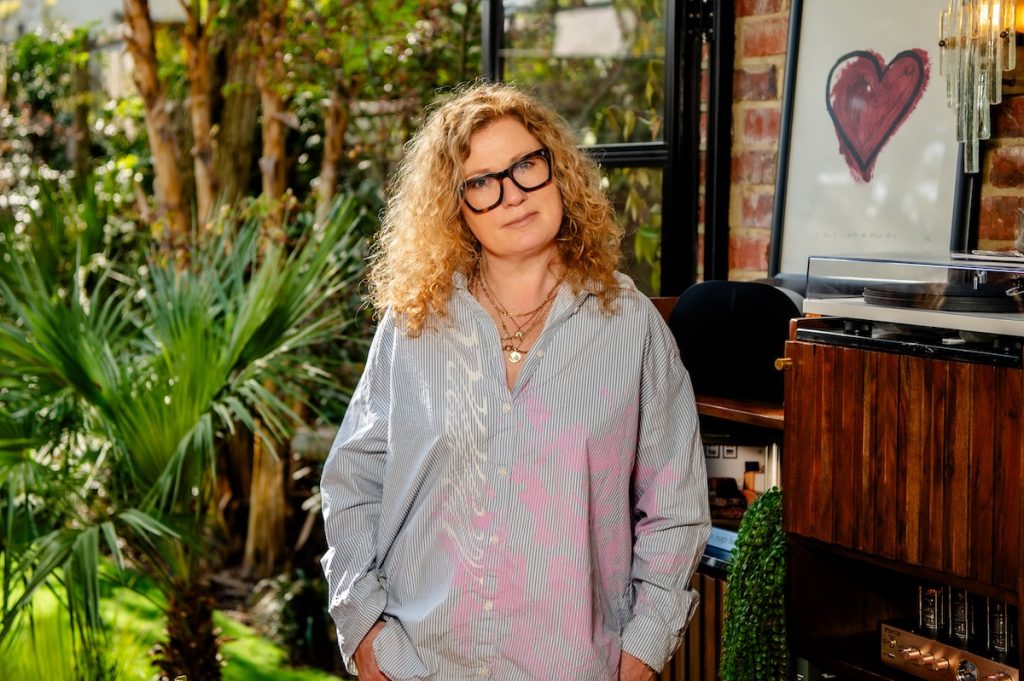
To further this work, Claire Haffenden joined Music Support as a Trustee in 2026 having spent 30 years with the Universal Music Group, including a stint as its Director of Artist Relations and Events. At the music industry giant Claire worked with global icons and breaking bands alike. Through that, she gained a unique look in not only the daily struggles that artists face when navigating several timezones in a single weekend or the crippling depression an act may face if their record fails to deliver. She saw how the teams around these artists suffered too.
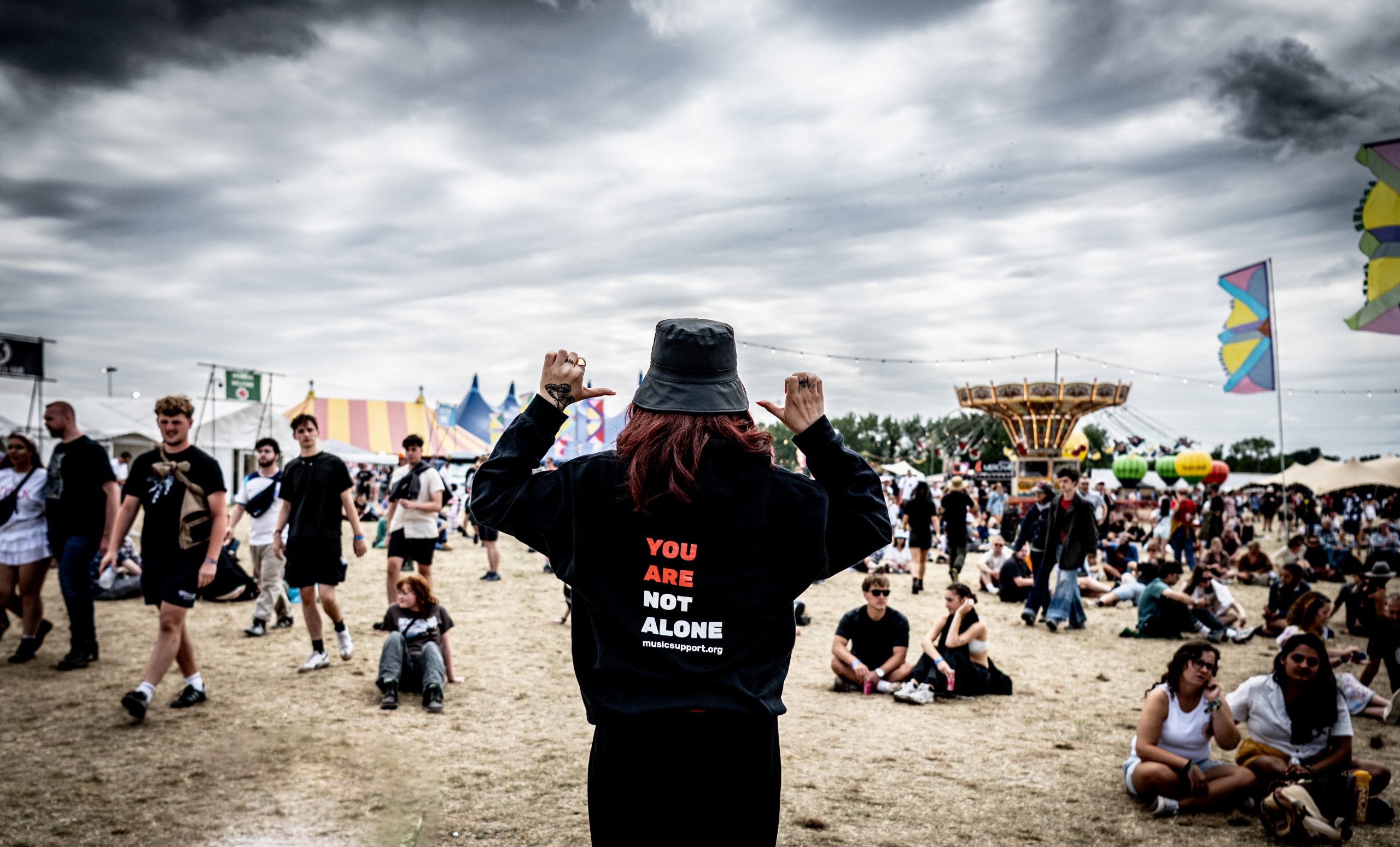
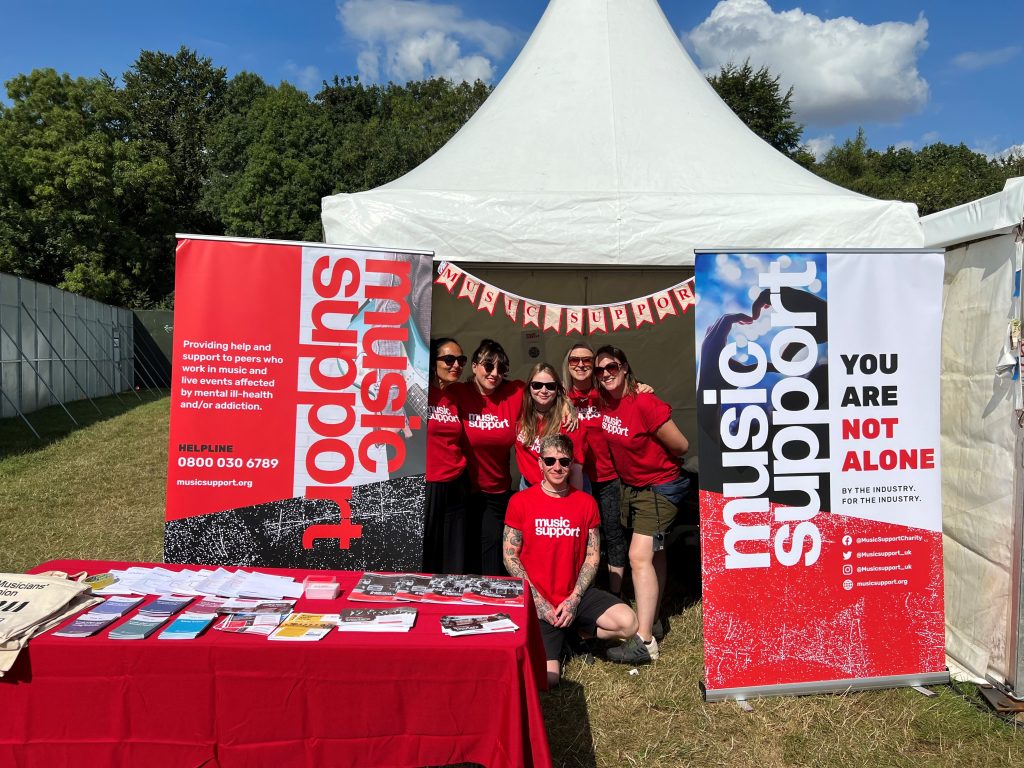
Now, throughout 2026 Music Support is taking their work on-site at festivals across the UK with its Safe Hubs initiative, which started in 2016. These hubs are dedicated backstage spaces where artists and crews experiencing a crisis at a festival can speak to trained professionals. This could be an anxiety attack, mental ill-health or problems related to addiction. At the same time, these spaces can simply be for someone who needs time to themselves away from the crowds.
Here, Matt and Claire speak on the importance of providing a safe space at festivals and the ongoing need for mental health and addiction support in music.
Festival Insights: Why is the Music Support needed in 2026?
Matt: There’s a number of reasons behind that, both industry and non-industry related. If you’re an artist or an employee in the industry there’s a lot more uncertainty at the moment. The music festivals and grassroots venues are facing huge challenges. There’s the rise of algorithms and social media which are creating different types of addictive mechanisms that didn’t used to be there. If people are susceptible to ill mental health or addiction there’s a lot more mechanisms today to elevate that.
It’s not entirely a picture of doom and gloom because it’s not entirely like that. More people are asking for help but there’s a structure now where people can ask for help. Back in the 90s it was a massive stigma to do that. That combination is leading to an escalation in the need for services and demand.
Festival Insights: Even though conversations around mental health and addiction in the industry is changing for the better, whether it’s culturally or on the political level there are still barriers to change. How are you and Music Support ensuring that you’re delivering real impact on the ground?
Matt: It’s all down to infrastructure. If you’re talking about drug testing, for example, I’m a great believer in that because if people are going to choose to take drugs then they should have the right to do it safely. Whether it’s food standards to health and safety laws for production teams building 40-feet high stages, there are laws in place to make sure that’s done safely.
There’s no reason that mental health support and drug testing shouldn’t be built into the same infrastructure for live events. From a human perspective, it’s about making sure that everybody who needs support is going to be able to get that support.
Festival Insights: What are some of the key challenges people working in the music industry are facing today?
Claire: Whether you’re working in a crew or as an artist, you have this incredible family going on tour with you. You go to festivals, you leave everybody else in their ‘normal’ lives doing their ‘normal’ thing and you leave your ecosystem of mum, dad, sister and best friends behind for months on end. It can be electric, it’s like it’s like a drug in itself. But what happens when you go home and nobody is calling you because you haven’t spoken to them for weeks on end?
Matt: People working in the industry think they don’t have a right to be unhappy because of the position they’re in. This is across the board.
People go on tour, they’ve ran away and joined the circus. Now they’re living this dream fantasy life, rubbing shoulders with rock stars and travelling the world. Actually the reality is very, very different. You’re moving from country to country working long hours late into the night. People in those roles are made to feel that they should be grateful for the life that they are living and that they are easily replaceable. There’s an attitude of ‘if you don’t do it, we’ll find someone else who can’.
Festival Insights: How is that changing? Is that changing, even?
Claire: I’ve personally experienced the struggles that artists and the people around them have in the industry. For the younger artists, they experience instant success, and that comes with a massive change to their life. There’s many factors to the impact of that. Artists become famous on social media, how do they feel about that? They compare themselves to other acts and ask, am I doing the right things? They’re being pushed in different ways by tour managers, promoters and agents, and these people aren’t trained professionals [in mental health and addiction support].
To help with that you need a good team around you, and you need to know your boundaries and know that boundaries exist. Music Support are really good in being able to offer that.
Festival Insights: Why are festival safe hubs important?
Claire: The hubs represent the entire ethos of everything we do. It’s about being proactive and not reactive. And it’s not just about helping someone, it’s about looking out for people. Whether through the on-site hubs or the helpline, this is about being caring and kind around our community.
Matt: We want these spaces at festivals to be as commonplace as a food stand. You have someone selling kebabs, you have someone selling pizzas and then you have a mental health support tent.
Find out more about Music Support and the work they do here.
