
For decades, Pitchfork has acted as a music tastemaker for generations of fans. Whether it’s breaking rap acts that became megastars to forcing apologies from pop stars over, let’s say, misguided tweets, Pitchfork has influence over the music buying public that’s both unique and unrivalled.
But how does this influence translate to a music festival? As Festival Director and Booker at Pitchfork London, as well as Co-Founder of the UK-based live music promoters FORM, it’s Dan Monsell’s job to make it work.
Pitchfork London began in 2021. It was a not quite post-COVID time, but post-COVID enough for UK venues to reopen to the public. Pitchfork London also had the added benefit of launching in November, a crucial time when vaccinations had been rolled out but audiences were still bereft of human interaction.
But work on Pitchfork London happened long before that, which lead to something of a welcomed accident. “The conversations started pre-COVID, but when the live industry shut down that time gave us an opportunity to really get creative with our bookings and how we curated the festival,” says Dan. “It gave us time to consider many different elements of the festival.“
In 2021, when audiences were pining to finally return to music venues and festival fields, must have felt like a promoter’s dream. “It was almost enough at that time to be offering something exciting and different by just being back in venues,” remembers Dan.
But over time, that audience fervour for dancing until the early hours has lessened somewhat, whether through choice or circumstance. Teens just turning 18 in 2020 now have real world jobs and responsibilities, while on a wider scale, music venues continue to close at rapid pace and a continuing cost of living crisis that continues to damage the pockets of festival-goers.
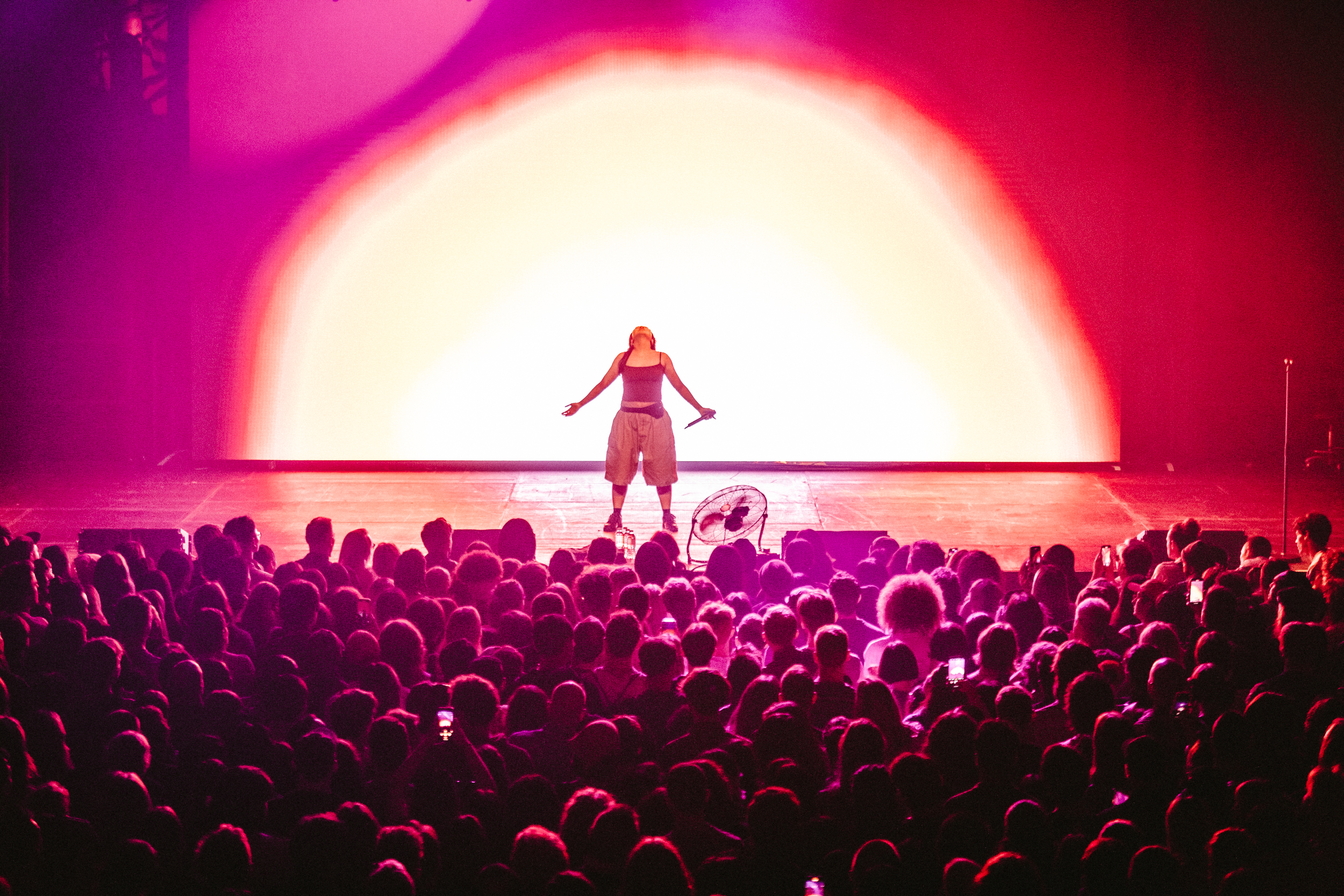
Having increased its capacity from 10,000 to 20,000 people all piling into 18 venues across London, low demand doesn’t seem to be a major issue for Pitchfork London. That said, “we don’t have huge desires to go majorly big,” says Dan. Rather, he’s more focussed on creating unique experiences within four walls.
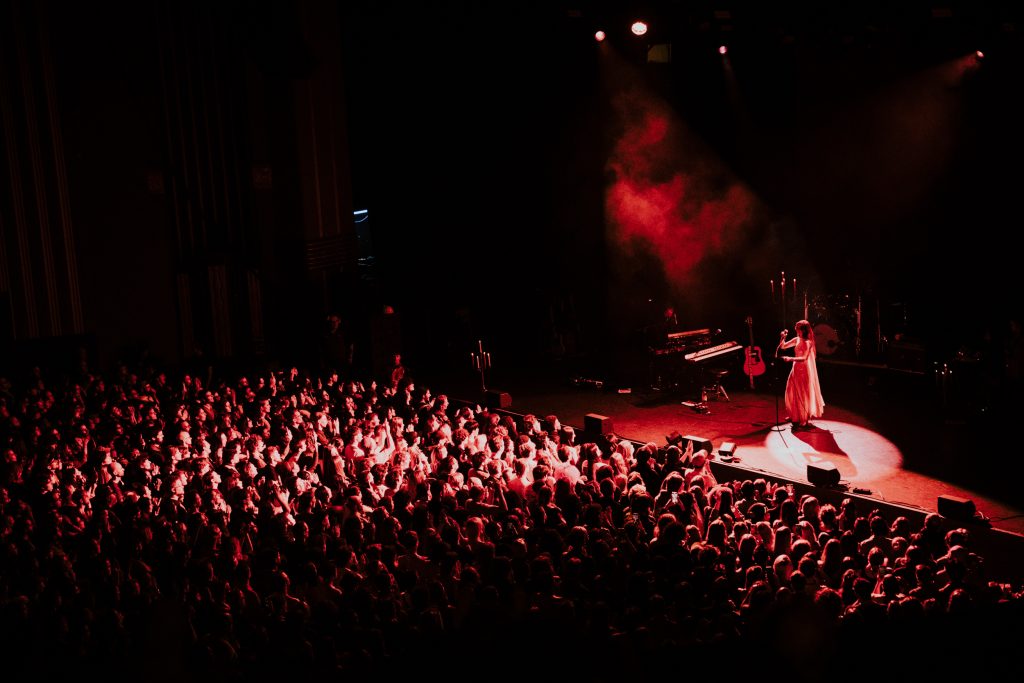
For 2025, this includes an orhcestral Royal Albert Hall performance from Australian psych-ists King Gizzard & the Lizard Wizard and the Covent Garden Sinfonia, a headline set from Laurie Anderson backed by jazz ensemble Sexmob, and a Barbican takeover from Canadian indie act Destroyer. “We’re in a fortunate position where we can be considered in our booking,” says Dan. “We host performances that would never be repeated in the same way again.“
This is something unique to city festivals, thinks Dan. The likes of Pitchfork London and its peers can act as live music democratisers, offering opportunities that a festival that takes over a random field each year simply can’t. Major festivals may place greater emphasis on bringing global megastars to main stages – “artists may think the be all and end all is to play outdoors. That can be challenging, but it also forces us to think differently,” says Dan – but festivals that span an entire city come with built-in infrastructure, convenience and, perhaps most importantly, people who buy tickets.
“We are somewhat restricted by not being in a huge outdoor space. Green sites unlock a lot more potentials, both financially and in booking the biggest artists in the world,” Dan says. “And headline shows are great. But what stands out here [Pitchfork London] are shows where we can host a major act in a small club, or the next big thing on a big stage. We have an opportunity to create a performance that’s entirely tailored to what the artist wants to do within four walls.“
There is an elephant in the room here, though. Having a partner in Pitchfork comes with some very obvious advantages. The publication is hugely influential, and enjoys a dedicated fanbase who will turn up to any show featuring the Pitchfork name. The publication can make (or break) artists, and acts as a vital platform for emerging talent. An 8.8 album review is essentially a guaranteed marker for future success. For a promoter, being associated with such a cultural behemoth is a direct link to arguably the biggest music audience in the world, with all the PR benefits that come with that.
In Dan’s words, this relationship naturally feeds into who you see on-stage at the festival each year. “We really try to be true to the vision in the editorial of the site,” says Dan. “And there’s always lots of conversations with editorial and the editor of the site in what we’re doing. If an artist is celebrated by the website, the better off it does at the festival. And for us, someone may discover a new act through Pitchfork, but we can deliver them a truly memorable live moment.“
A partnership with a brand of publication such as Pitchfork is the dream of any festival promoter. But without that, is it possible for new contenders to create something on a similar scale? It’s a yes and no answer, thinks Dan.
“Through Pitchfork, we can book risks. We know the audience will come with us. We’re a place where [audiences] can discover new music, and we enjoy a level of trust in doing that,” he says. “The challenge for festivals at the moment is that there are obviously a lot of festivals, and the very commercial component of festivals means that you have to find a way to stand out [without commercial involvement].”
“The most successful festivals have cultivated their audiences over many years, and their audience really trusts them as a festival,” Dan goes on to say. “But you need to have an additional factor. In our instance, that’s a media partner who come with a voice of authority in the space. It gives us an extra component that people really want to be involved with and an opportunity to stand out in the space, but the landscape is always evolving in different ways.“
While Dan and his partnership with Pitchfork benefits from some major perks not enjoyed by other festivals, part of its success is owed to the city of London itself. “What we have in London is such a fantastic melting pot of different musical cultures that allows us to be really broad in what we do,” says Dan. “Whether it’s rap, traditional indie, Korean hip-hop or dance music, it’s thriving in London. We can draw from the city itself and the artists and people who are here.”
That said, the festival’s ethos is much like every other event wanting to bring something unique to its own city, town or village. London may be a unique outlier, in that it can pull from a rich and diverse history of genre that spans from dub, roots and reggae to grime, UK garage and, for a brief-ish moment, mid-2000s indie sleaze. But, in the best way possible, Pitchfork London isn’t wholly unique in what it does and where it does it. It’s translatable.
Whether its in London or Leeds, city festivals can provide a vital platform for emerging talent and one-off experiences. “Our music culture is super alive and well here,” says Dan. “The more we can do to foster that, the better.“
Pitchfork London takes place 7-13 November in multiple venues across London. More information and tickets can be found here.
