
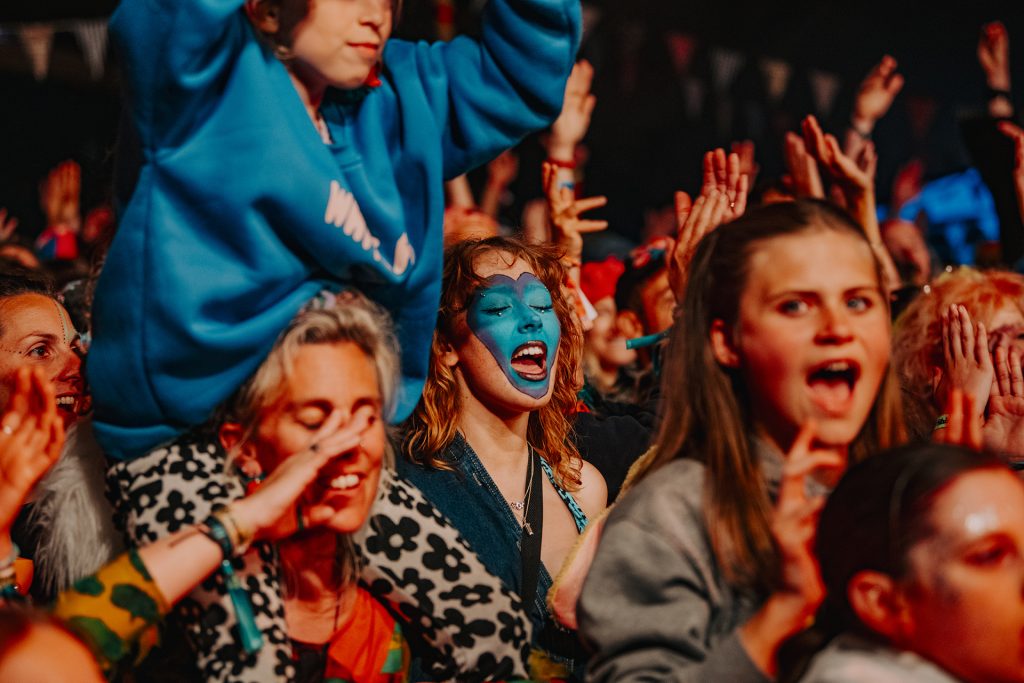
If you haven’t already heard the punk act Bob Vylan is in the headlines again, but through little fault of their own.
They haven’t done that much too recently to cause public uproar, but the band’s comments at last year’s Glastonbury are still causing problems for the festivals they’re headlining this year. Those on stage comments were ‘death, death to the IDF (Isreal Defence Force).’
From that performance came public outcry. The UK Prime Minister called those words “appalling hate speech“, and there was a potential for legal ramifications toward the act. It was later concluded that no legal action would be taken.
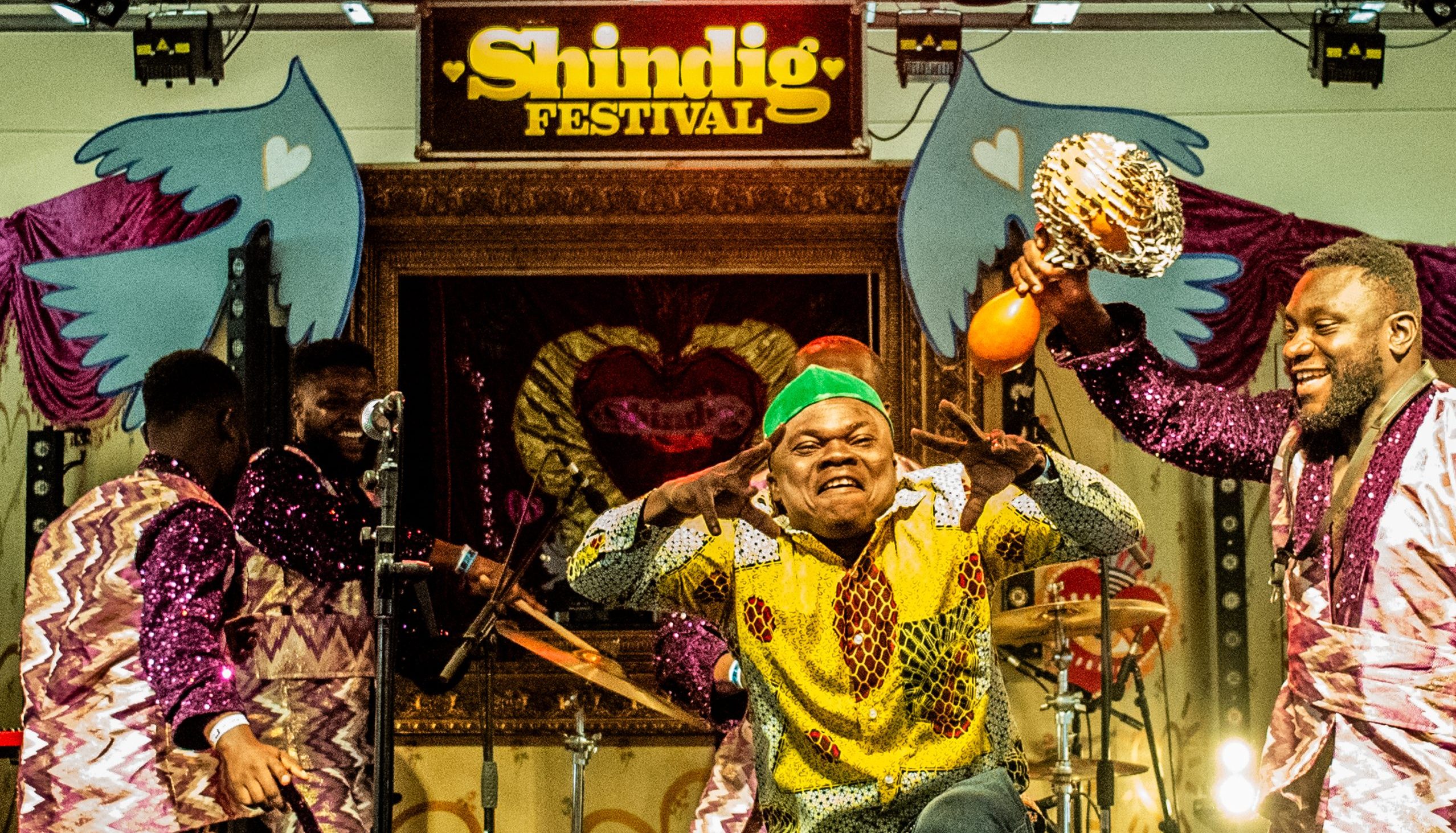
This issue seems to be ongoing. In early May, we reported that the licence for Shindig Festival, whose festival is headlined by Bob Vylan, would be reconsidered over concerns regarding a complaint related to “disorder and public safety.” Organisers for Shindig have since said the festival will go ahead as planned. But the headaches and bad press have already happened, and the controversy will likely go on after the festival shuts its doors.
Cases like this might set a precedent, though. There are sometimes more nuanced issues at play when booking an artist who makes headlines for not the best reasons. Sometimes, an outspoken artist performing on a big stage is expected to draw headlines. But it’s a complicated topic. What is controversy and what is censorship?
This is why we’re speaking with Simon Clarke, Shindig director, and Melissa Kidd who manages communications for the festival to hear their views.
Shindig Festival has been vocal in its decision to book the Bob Vylan duo, and proud in doing so. In this op-ed from Melissa and Simon, we learn the impact that public outcry has on UK festivals and the need to stand strong.
“When we booked Bob Vylan for Shindig Festival, we knew there would be a reaction.
What we didn’t expect was the scale of it.
In recent weeks, our festival licence has come under threat, public pressure campaigns have intensified and there have been calls for the event not to go ahead at all because of a single booking.
That has been stressful, difficult and, at times, deeply uncomfortable for our team. Independent festivals are already operating in an incredibly fragile environment. Rising operational costs, cashflow pressures, supplier increases, insurance challenges and declining disposable income have pushed many events to the brink. Some have already disappeared.
Shindig itself almost didn’t survive.
So when people ask whether there were moments where we thought maybe this just isn’t worth it? The honest answer is yes. Of course there were. But the bigger question we kept coming back to was this: what kind of cultural landscape do we create if festivals become too afraid to book artists who challenge people?
Because once political pressure groups, online outrage or fear of controversy begin determining who can and cannot appear on stage, independent culture changes fundamentally.
Festivals stop taking risks. Promoters stop trusting their instincts. Line-ups become safer, quieter and more sanitised. And ultimately, audiences lose something important.
Booking an artist is not the same as endorsing every opinion they have ever expressed. Festivals are spaces for creativity, conversation and sometimes discomfort. They always have been.
Punk music has never been polite. Protest music has never existed to make everyone comfortable.
Bob Vylan’s work is confrontational, political and emotionally charged. That is precisely why some people connect with it and why others strongly object to it. We understand that. We understand why some people feel angry or upset. These conversations are emotional because the wider issues behind them are emotional too.
But there is a difference between disagreement and censorship.
We made our statement because we felt it was important to draw a line in the sand. If independent festivals cannot stand by lawful artistic expression without fear of losing licences or facing coordinated pressure campaigns, then the future of grassroots culture becomes very uncertain.
And this matters beyond one artist or one festival.
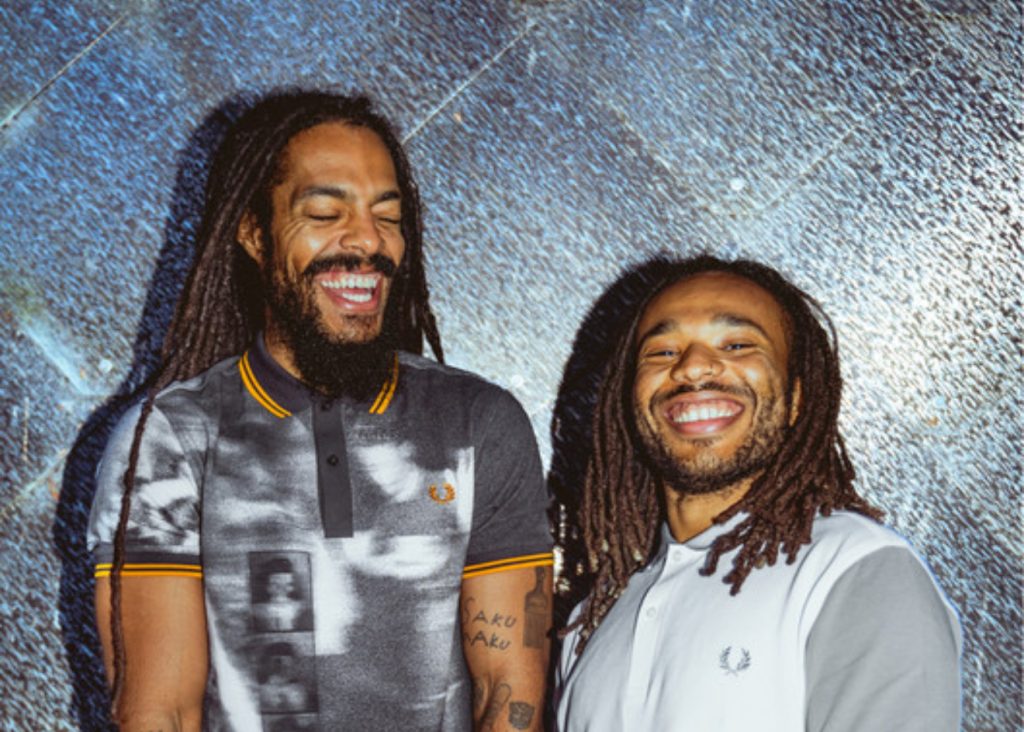
Festivals play a critical role in the UK music ecosystem, particularly at a time when venues continue to close across the country. They are often the places where emerging artists break through, where communities come together and where audiences discover voices they may never otherwise encounter.
Independent festivals especially have always been spaces for experimentation and alternative perspectives. That is part of their value.
There is also a human cost to all of this that people rarely see.
When a festival faces scrutiny like this, it impacts everything. Staff wellbeing. Partnerships. Sponsorship conversations. Ticket sales. Insurance discussions. Sleepless nights. The emotional toll on small teams already working at full capacity to keep events alive.
And yet, despite all of that, the response from our community has reminded us exactly why we keep doing this.
The support we’ve received has been overwhelming. Thousands of people engaged positively during the public consultation process. Ticket sales remained strong. Messages poured in from artists, audiences and people across the independent music world who understand what is at stake here.
That support matters because independent festivals do not survive without community.
This has never been about courting controversy for attention. In truth, most independent festival organisers would happily avoid this level of stress entirely. We do this because we care deeply about music, art, people and creating spaces where culture can still feel alive and unpredictable.
The easiest thing would have been to step back. But independent festivals were never built to take the easiest route. And judging by the support we’ve seen over the last few weeks, audiences still believe that matters too.“
