
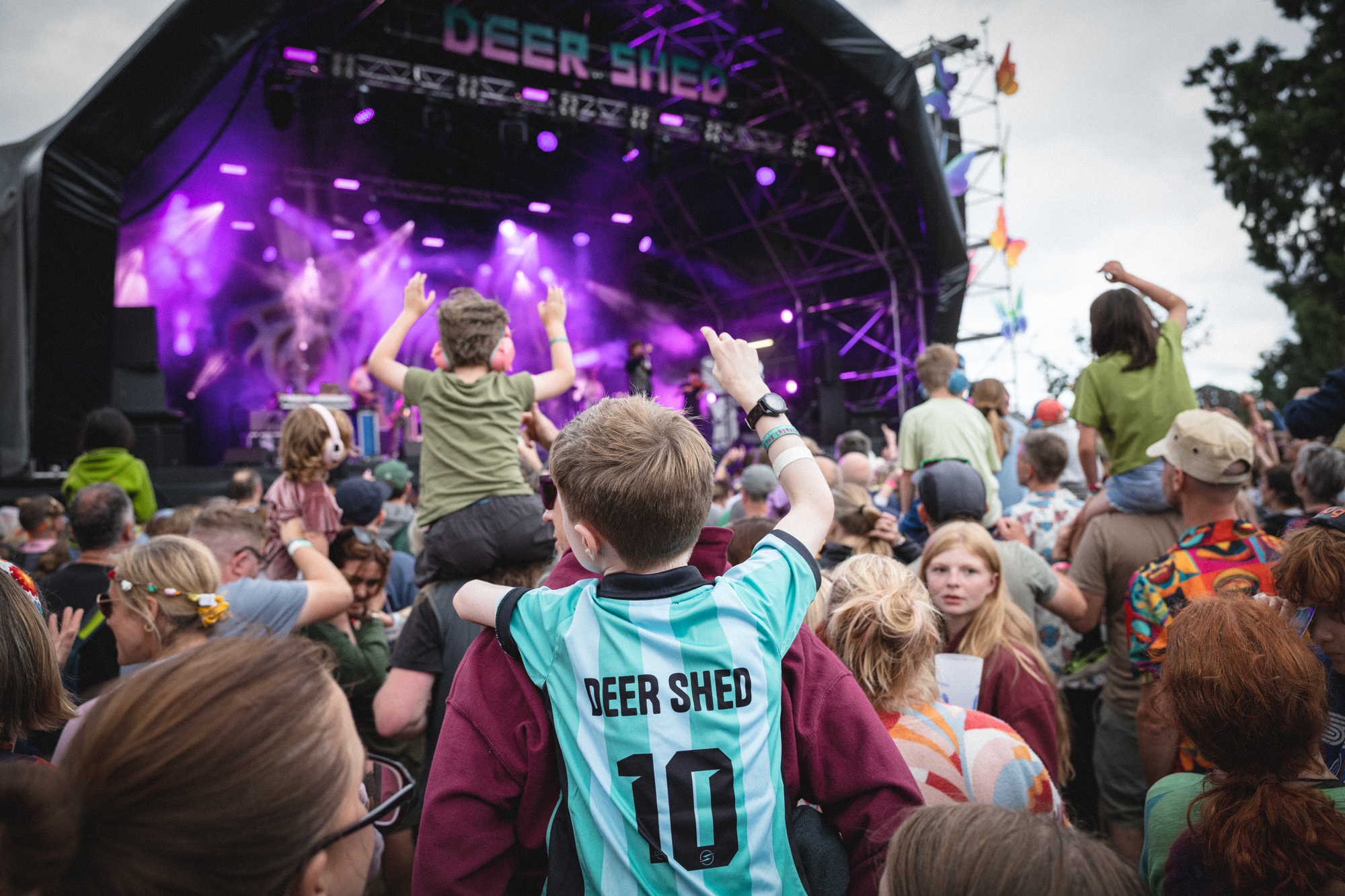
How to sell a festival ticket is getting more complicated.
Between social media campaigns, newsletters, TikTok giveaways and typical PR, there are so many ways to market event that it might all be a bit too much. A quality line-up doesn’t guarantee numbers; people want experiences, family fields and optional extras.
The way people are buying tickets is also massively changing too. Promoters can no longer build it and expect people to come. From WOMAD’s planned debut Glasgow outing to a number of independents dozens of festivals have been cancelled or postponed in 2026, with a major driving factor to some being low ticket sales.
The general public are also deciding when to spend their money on a festival much closer to the time. There are tiered pricing systems and ‘pay in three’ options, but unless you’re a Glastonbury or Green Man the usual assurances of hosting a sell-out weekender well in advance aren’t there anymore. But while the funds aren’t coming in, bands still need their 50% advance, infrastructure needs to be paid for and traders need to know there will be people there to buy their wares.
So, how can you still sell a ticket in this climate? To try answer at least part of that question we speak with with Ben Portnoi, founder and CEO of marketing company The Hybrid House. Ben tells us what festivals are doing right and wrong in securing that extra number on the door and how to keep up with change.

“Want to sell out your festival? Stop only marketing to people ready to buy.
One of the questions we all spend a lot of time thinking about is simple – what actually sells a ticket?
The answer is getting harder to pin down.
A ticket might ultimately be bought after someone searches for a festival on Google. But that decision could have been shaped over months by the line-up, previous experience, friends, social media, content, influencers, CRM, advertising, pricing, reviews, weather or simply when payday falls.
Yet festival marketing is still often measured around the final stages of that journey.
There are three things we see time and time again.
Festivals are very good at capturing existing demand
That matters. Paid search, retargeting and conversion-led social are all important. If somebody is actively looking for your festival, or has already visited the ticketing page, you want to make it as easy as possible for them to buy. But that is also the easiest ticket to sell.
The more important growth question is: what created that demand in the first place, and where is the next incremental ticket coming from?
If 10,000 people already intend to attend your festival, getting slightly better at converting them has value. But the bigger opportunity is reaching more people and creating demand that did not already exist. That means making better use of first-party data, previous attendees, CRM, prospective audiences and broader brand activity. Not just waiting until somebody reaches the bottom of the funnel and then competing to convert them.
We still overvalue what is easiest to measure
Digital platforms have given marketers more data than ever. But more data does not necessarily mean more certainty. Recent research we commissioned at The Hybrid House found that 53.3% of businesses do not have fully integrated sales, analytics and marketing data, while 68.9% are less than very confident they have a single source of truth.
That creates a problem.
When platforms are effectively marking their own homework, it is very easy to overvalue the activity closest to the sale. Google might tell you paid search generated the conversion. Meta may claim the same customer. Neither necessarily tells you whether that person would have bought anyway. For festivals, that distinction really matters.
Sales are influenced by line-up announcements, pricing, weather, competition and seasonality, as well as paid media. In our research, 66.7% of respondents were less than very confident they could separate marketing performance from those external factors. Understanding the wider picture leads to better decisions. Yet most producers and promoters struggle to do this .
The biggest missed opportunity is in data led forecasting
Festivals sit on incredibly valuable historical data: ticket sales curves, audience behaviour, line up announcements, media spend, pricing, geography, weather and seasonality. Too often, that data is used to explain what happened rather than predict what happens next. Only 34.1% of businesses in our research said they were very confident forecasting performance by channel. Yet this is where the opportunity gets really interesting.
When managed properly, historical data can help answer core questions that can enable far better planning, forecasting and efficiency.
How many tickets are we likely to sell anyway? Which audiences still have headroom? Where does extra spend stop producing the same return? Should investment move earlier? What happens if ticket prices rise?
Connect ticketing, Customer Relationship Management (CRM), analytics and media data facilitates some really advanced modelling, which use to come at a premium cost, this is now, due to AI far easier and accessible to all. Through incrementality testing and econometrics we can now understand the external factors shaping demand. Then turn those learnings into better forecasts and better investment decisions. Often in real time.
Ultimately, selling out should not simply mean spending harder as the event approaches. It should mean understanding where genuine incremental growth can still come from, which audiences can provide it, what will move them, and how much you should invest to make that happen.“
Find out more about The Hybrid House here.