
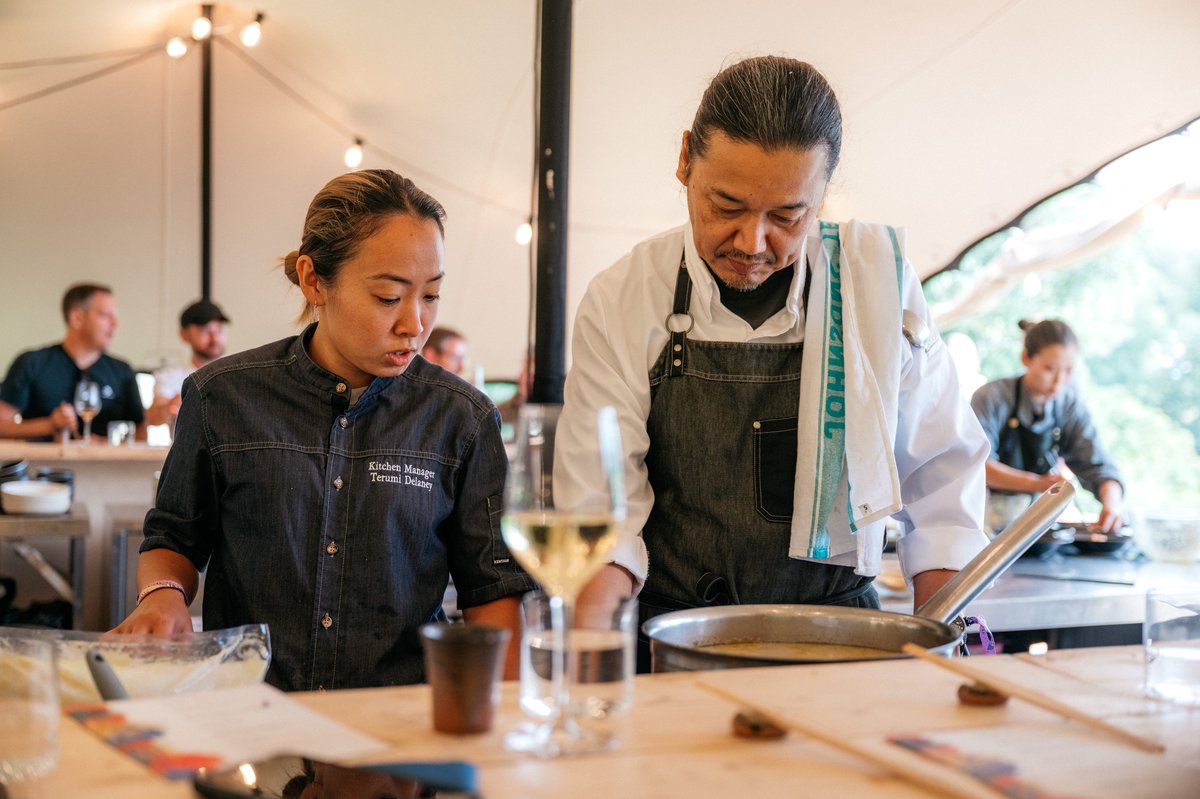
Food is as much a part of the festival experience as live music with vendors sometimes taking up as much space on festival lineup as the performers.
For some festivals, it’s not enough to have traditional vendors like your giant Yorkshire puddings, pun-based pork batch van or cheesy chips. It’s becoming increasingly common for festivals to have whole experiences designed around dining experiences. You have festivals such as Big Feastival who combine The Streets with soul food and Wilderness Festival who host banquets and beats. But new festivals are getting on board too, such as Back of House Festival whose whole event is focussed on fusing food with a side of music (or the other way around, depending on your preference).
With food becoming an integral part of the festival experience, this brings opportunity for brands to showcase themselves and create an immersive experience for festival-goers.
Jenny McNeill, founder of the Feast & Fable agency, brings these immersive dining experiences to the public. Here, she shares her thoughts on what brands can get right and how audience psychology can help make these experiences a success.
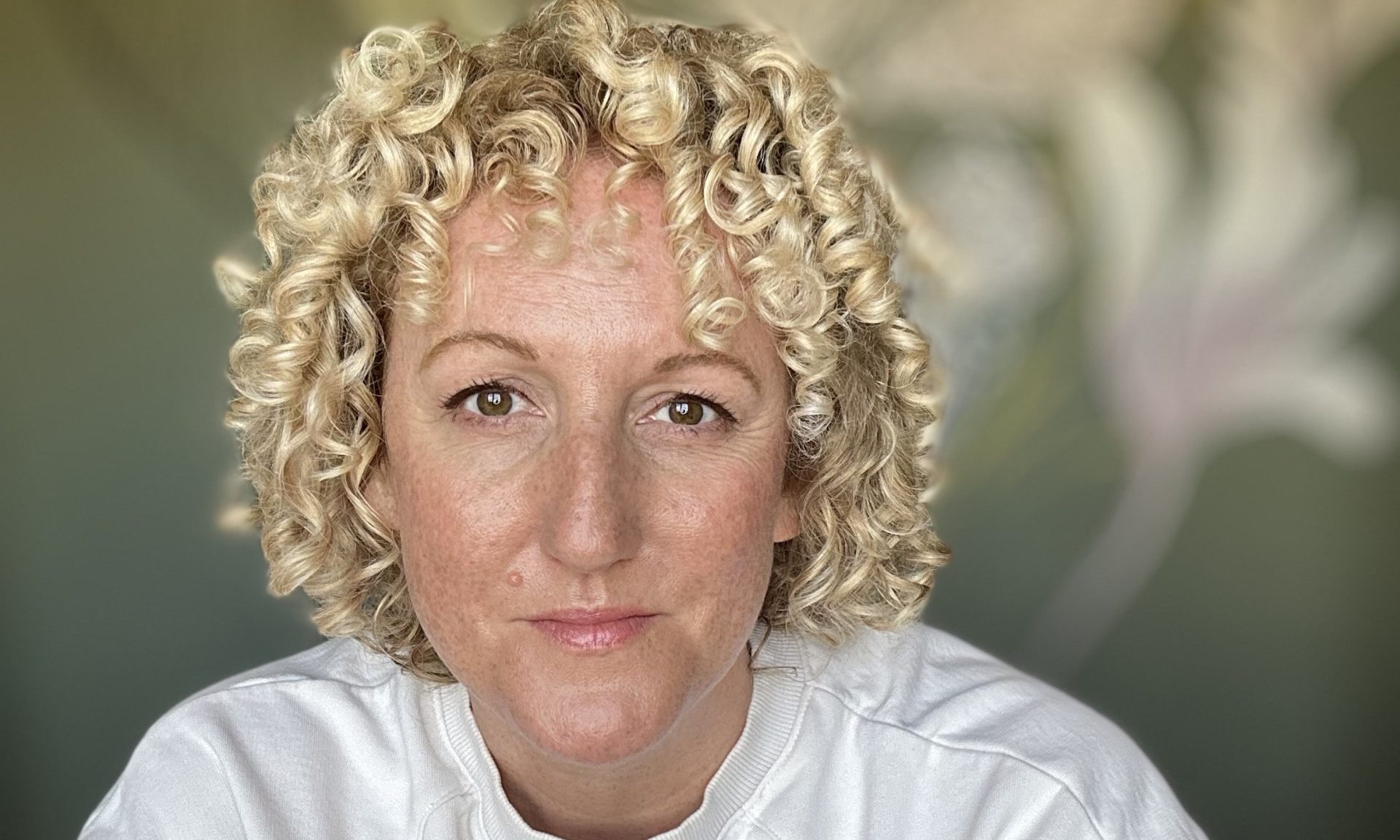
“Festivals have always been about immersion. It’s about the music, art, culture and escapism, but food is becoming part of that mix. But while the opportunity is enormous, the reality is more complicated.
Creating a truly immersive, food-led experience in a festival environment isn’t just about creativity, it’s about negotiation, logistics, audience psychology, and understanding where a brand genuinely fits.
Right now, there’s a gap between ambition and execution.
Brands want to show up in more meaningful ways. Audiences expect more than transactional food stalls or VIP champagne tents. Festivals are looking to elevate experience without compromising flow or operations. The challenge is making all three align.
Festival audiences are among the most perceptive and the least forgiving. They can spot when something feels forced. A brand activation that feels parachuted in with no connection to the wider environment doesn’t just fall flat-it actively undermines trust.
Food has the potential to cut through that, but only when it feels genuine. That means aligning the experience with both the brand’s identity and the festival’s culture. It’s less about visibility and more about belonging.
The most successful activations don’t feel like marketing. They feel like part of the festival fabric.
On paper, immersive dining is a perfect fit for festivals. They can offer multi-sensory, social and memorable moments. In reality, festival environments are operationally brutal. Limited infrastructure, unpredictable weather and high volumes can cause problems. There’s also tight turnarounds and constant pressure on staff and systems to contend with. This is where many ideas fall apart.
A beautifully conceived experience means very little if the food arrives late, the service breaks down or the environment can’t physically support the concept. Logistics don’t just support the idea – they define whether it lives or dies.
And getting the logistics right, while keeping eye on the budget, takes a talented producer indeed. For brands and agencies, this requires a shift in mindset. Creativity can’t sit in isolation from operations. It has to be built with the environment in mind from the start.
One of the most overlooked aspects of festival activations is also one of the most important: the queue. If someone is waiting 20 minutes for food, that is the brand experience. Too often, this moment is treated as dead time. In reality, it’s either an opportunity or a risk. Poorly handled, it creates frustration. Thoughtfully designed, it builds anticipation, sets tone and becomes part of the narrative.
This could mean entertainment, interaction or simply better pacing and communication. But it requires intentional design. At festivals, the experience doesn’t start at the counter. It starts the moment someone decides to join the line.
There is, however, a clear direction of travel.
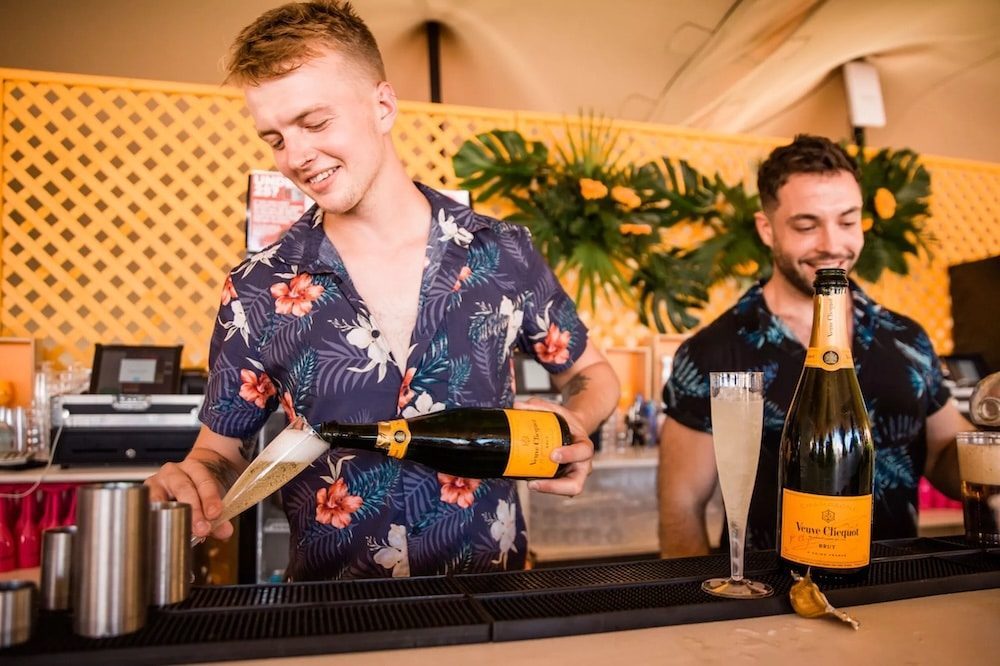
The most interesting work in this space moves beyond transactions into something more layered – spaces that combine food, design, and storytelling to create a distinct atmosphere.
This doesn’t have to mean large-scale builds. It’s about coherence. When menu, environment, service style and brand story align, even a simple activation can feel immersive.
The work we do [at Feast & Fable] often sits in this intersection – using food as a storytelling device within broader experiential frameworks. While not all of our projects are festival-based, the principles translate directly: build from narrative, design for flow, and ensure every touchpoint reinforces the experience.
Examples like Warburtons’ festival presence at The Big Feastival or its pop-ups such as Bagel Bonanza, a campaign headlined by Robert de Niro, show how familiar brands can create something playful and culturally relevant without overcomplicating the format. Similarly, larger experiential builds demonstrate how food can bring a product story to life in a tangible way. The scale changes in a festival context. The thinking doesn’t.
Delivering these experiences requires collaboration and compromise. Festivals need activations that enhance rather than disrupt. Brands want visibility and impact. Audiences want something worth their time.
The role of experience designers like Feast & Fable is often to sit in the middle of that triangle, translating brand objectives into experiences that work operationally and resonate culturally.
That means understanding site limitations, aligning with festival programming and sometimes simplifying ideas to make them viable. It also means pushing back when something risks feeling inauthentic or unworkable.
Because the best outcome isn’t the most ambitious idea. It’s the one that actually works, on the ground, in real conditions, with real people.
Another key challenge is designing for how people actually behave at festivals, and not how we imagine they might. Energy levels fluctuate. Attention spans are short. People move in groups. Comfort matters more than we think. In fact creating a safe space for people to comfortably be might be the central driver around which everything else is built.
Experiences need to be flexible. Not everyone wants full immersion. Some people want to dip in briefly. Others want to stay and engage more deeply.
The most effective activations allow for both – creating layered experiences that can be approached from different levels of participation. Audience expectations are rising quickly. People are used to high-quality food. They’re used to well-designed spaces. They expect more from brands too. Not just in terms of what they offer, but how they show up. This creates pressure, but also opportunity…
Food is one of the few mediums that can deliver immediate, emotional impact and satisfaction. It engages multiple senses, creates natural moments of connection and leaves a lasting impression when done well.
But it also exposes flaws quickly. If the quality isn’t there, audiences notice. Festivals are evolving into more complex, experience-led environments. Food is no longer peripheral. It’s part of the main stage.
For brands, success at festivals isn’t just about showing up, it’s about adding real value. That means creating authentic experiences, designing for operational realities and understanding how audiences actually behave.
At Feast & Fable, we believe the best immersive food experiences happen when storytelling, hospitality and production work together. Festival concepts rarely fail on creativity alone. They fail when there’s a disconnect between the idea, the audience and the environment.
Get that balance right, and food becomes more than fuel; it becomes a memorable part of the festival experience.“
Find out more about Feast & Fable here.
• As told to James Robertson.
