
There’s one weekend a year that reimagines a city in north Wales through arts, music, film and talk. But it’s a bit more than that.
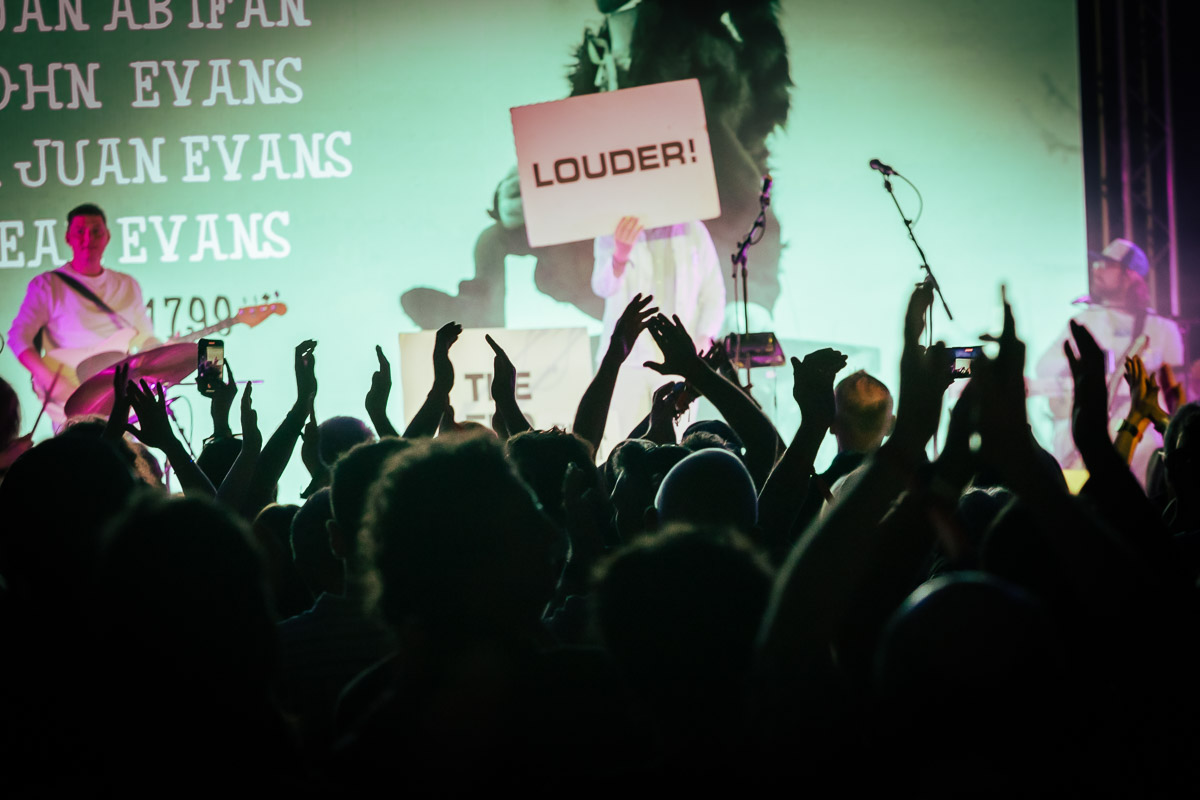
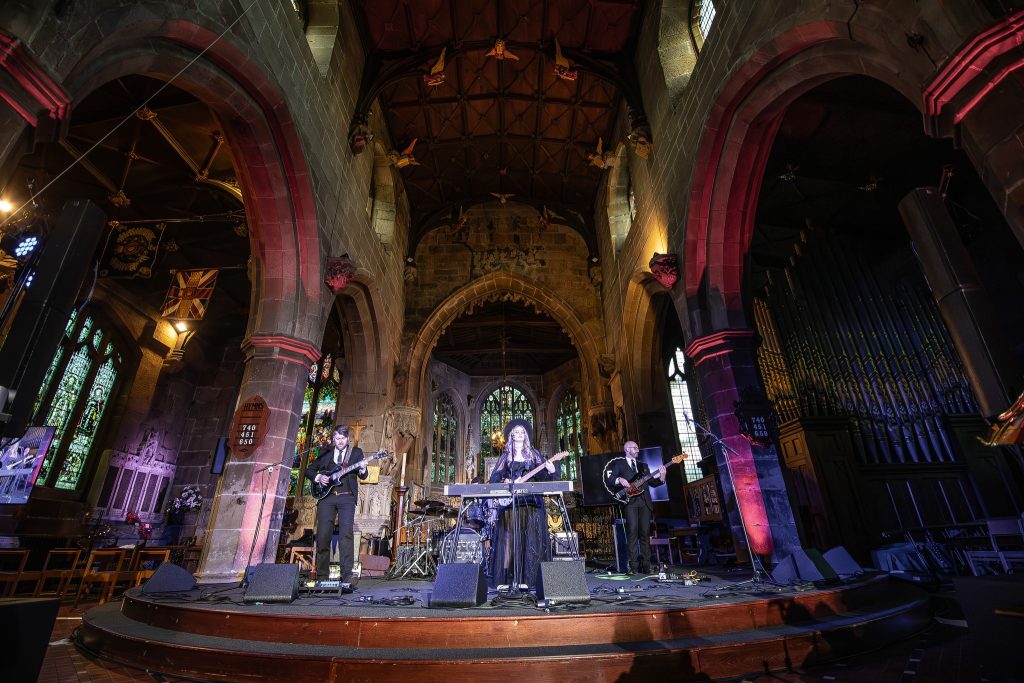
Dozens of makeshift venues fling open their doors to thousands of people seeing 250 acts perform in the pubs, clubs and venues of Wrexham. Some of these spaces may be a beautifully dank and sticky basement, others an imposing church with centuries of history locked in its walls.
This is FOCUS Wales, which from 7-9 May 2026 brings fresh eyes to cultural scenes that are often overlooked. At the festival you’ll find lyrics being sung in dozens of languages alongside big name acts and breaking bands, but like many ex-industrial areas who lie on the edges of metropolitan hubs Wrexham may not be perceived as an obvious destination for cultural discovery. Of course, for anyone who visits somewhere like Wrexham creativity is there to be found around every corner and in every person you meet. But sometimes, places like Wrexham need to welcome wider eyes and new perspectives to make them thrive.
Someone who has long been behind this push to make north Wales a musical landmark is Sarah Jones, director of industry, conference and partnerships at FOCUS. Since joining FOCUS in 2014, Sarah has seen the festival evolve from a few venues to something that sprawls across the city.
FOCUS started in 2010 through co-founders Andy Jones and Neal Thompson. In Sarah’s words, building a major festival came from pretty humble origins. Both Andy and Neal were in local bands and promoted local shows. Through this, they soon realised Wales needed something that showcased the breadth of local talent and emerging acts to the wider world, all while showcasing it to a music industry who wouldn’t immediately see Wrexham as a hotbed of activity.
That’s now all changing, thinks Sarah. “When I started in 2014, if a person had only heard of one artist on a line-up they wouldn’t buy a ticket. Now, it’s the opposite,” she says. “People want to come to discover new stuff, and they want to see all the artists they’ve never heard of. They want to see the newest bands.“
FOCUS still has its typical ‘headline’ acts for 2026 in Fat Dog, Idlewild and Shame, the kind of artists that bring in the guaranteed ticket sales every festival needs to survive. But the goal of FOCUS is to put emerging talent in front of industry figures from across the globe, the types of people who could change a young musician’s life with a single email. There’s also a business side to the festival, where label heads and A&Rs decide what the next five years of the music industry will look like. It’s a festival where fans meets music industry figures, but perhaps most importantly places emerging talent at the core of what it does.
FOCUS has only grown in size and reputation since those early days. More artists from further afield descend on Wrexham every year with promise of a banging show and traditional rarebit. “Sometimes we’re the first place some of these global artists see of the UK. It’s nice to be that, even if a band from Australia turn up looking a little bewildered,” says Sarah. This reputation has had a ripple effect to the wider industry too. Music figures who would once need to be dragged away from their London homes are now finding a music industry hub in the hills of north Wales.
The key to this ongoing success is down to a few things. There is something of an obvious association with Wrexham that in recent years has seen visitors flock to north Wales. Through a certain Deadpool star and a TV actor, the city is now known to a global audience thanks to the success of the Disney+ series ‘Welcome to Wrexham’. This has very much been to the benefit of FOCUS, says Sarah. “Everyone wants to come to Wrexham now,” she laughs.
There’s also a social element to FOCUS that brings a spirit to the place that only a festival can. This is seen in bands who pack out local pubs, the local choirs performing stirring communal renditions of traditional song to the thousands of revellers who turn up to see it all. “It’s such a different atmosphere for those three days and nights in the city,” says Sarah.
FOCUS also continues to grow is through the communities and businesses who support it. “If the community were not behind it, I don’t think we could do the festival,” says Sarah. “The town has had a bit of a bad rep for years so people are keen to have it spotlighted in a more positive light and as a place where people can come to experience culture, because it’s always been here.”
Despite this, there’s still some lingering challenges FOCUS has to deal with on a yearly basis. Sometimes these are universal, from dealing with local authorities and sound restrictions to making sure audiences don’t get too excited while wandering the streets. Others are a bit more unique.
There are outsider perception to places like Wrexham that lie off the beaten track. This is especially true in the music industry with all its hierarchal pretensions. Why choose to perform in Wrexham when Manchester and Liverpool are down the road? Convincing an act (and perhaps more importantly, their agents) to journey across the border over a major city is still a tough ask.
Some challenges are also beyond the festival’s own control. One is a somewhat tedious but very crucial task to overcome when ushering thousands of people into a multi-venue festival. That’s local infrastructure. “The transport links are so bad here. Unless we plan ahead and end the shows a little earlier, people can’t get home,” says Sarah.
There are still issues with access to the arts that need tackled inside Wrexham too. The first is showcasing Wrexham’s music scene to locals who may not know what lies on their doorsteps. “There’s always been a really bustling music scene here but not always the infrastructure or ecosystem to support it,” says Sarah. “A big challenge for us is welcoming those locals who may not have directly engaged with the music industry and Wrexham scene before.“
Sarah believes wider industry changes can come through its festival and others like it. This is especially true when it comes to representing Welsh language artists at the festival alongside other non-English speaking acts.
As audiences open their ears to new cultures, the likes of FOCUS Wales can help break down historical barriers to music discovery. “When we first started doing the festival people were not used to hearing or accepting of hearing music in other languages at that time. Even though we started 12 years ago there’s been such a big cultural shift, especially in the last five years,” she says.
Sarah points to Welsh acts such as Super Furry Animals frontman Gruff Rhys and the multi-instrumentalist and singer Cerys Hafana in helping to drive this shift. “People are embracing music in other languages. These artists are getting regular play on 6 Music and we’ve been able to take Welsh artists out to festivals like SXSW,” she says. “Artists can perform in Korea, the USA and all over Europe in their native languages and it’s being celebrated in the same as if they were performing in English. That’s been such a huge turning point.“
Whether through witnessing the next big thing on a tiny stage or by being introduced to global genres in new languages, FOCUS is showing there’s an alternative way to discover music. But perhaps more importantly, by doing this in a place like Wrexham, FOCUS is an example of what can be found if we just look a little further. “There are good things going on everywhere, but there are barriers to entry,” she says. “For us, we always want to spark good ideas that people can take away with them.“
FOCUS Wales takes place 7-9 May 2026 across Wrexham, Wales. Tickets are available now.
