
There’s no shortage of opinions to be found on the Ye (FKA Kanye West) at Wireless Festival furore. After all, comments have come from public figures and Prime Ministers alike on the decision to bring the American rapper to the UK this summer for the three-day weekender.
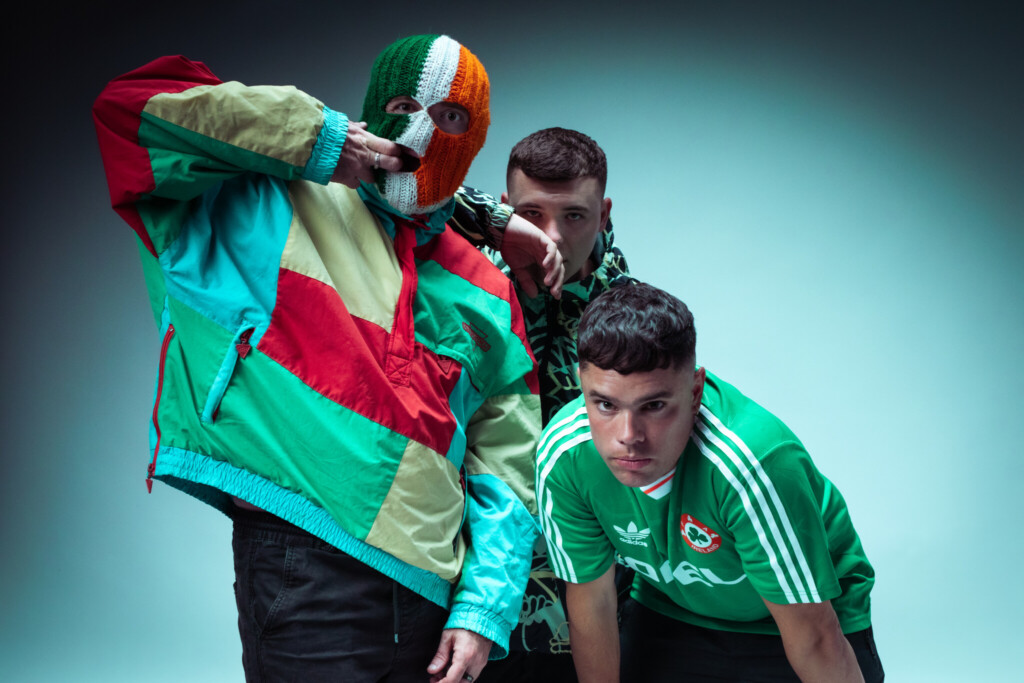
This isn’t just about Ye at Wireless, though. The circumstances may be very different, but public controversies occurred last year as politicians called for the banning of Irish rap trio Kneecap and punk act Bob Dylan from several festivals.
Before Kneecap and Bob Vylan, Grammy-winner Tyler, The Creator was rejected from entering the UK in 2015 due to past actions were cited as breaking the Home Office’s then policy on what was described as “behaviours unacceptable in the UK“. Before him, LA icon Snoop Dogg was barred from the UK in 2008 after an altercation at Heathrow Airport that injured seven police officers. The ban was overturned two years later after an extended legal battle.
There are levels of behaviour and backlash that may cause a performance to be cancelled, though. It could be argued that Pepsi pulling out as Wireless Festival’s main sponsor was as impactful to the event’s cancellation as PM Keir Starmer’s comments were condemning it. There’s also a question of who an audience are comfortable with watching and the performers we’re morally comfortable giving our money to. Just last year, Chris Brown performed across several major arenas in the UK, all while the R&B singer has been embroiled in several legal cases regarding violent behaviour.
In a world that’s becoming more divisive, it’s increasingly clear that line-up politics is a growing issue that the industry will have to deal with. In 2026, a poorly thought out line-up may not only disappoint fans, but could cause global political outcry.
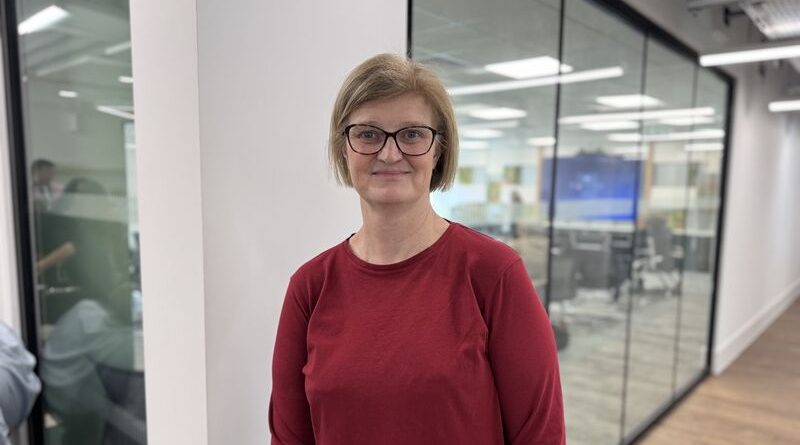
In a series of industry profiles from event experts, industry figures and festivals themselves, we’re delving into the ins and outs of how to book a ‘cancelled’ artist and what people should know when booking potentially controversial act. This week we speak with Zoe Adjey, senior lecturer at the Institute of Hospitality and Tourism at the University of East London, who explains why despite the pressures festivals can, and need, to be bold.
“The cancellation of Wireless Festival 2026 will be picked over for months. The booking, the sponsorship, the visa ban, the refunds. Most of the lessons being drawn from it are about risk mitigation, do better due diligence, diversify your sponsors, have a contingency plan. Check with the local population that they will not be upset. None of it is the most important thing.
The most important thing is this: festivals exist to give artists a platform. That has always included artists who make people uncomfortable. But there is a difference between creative controversy and documented hate speech, and that distinction was available to anyone who looked. Ye’s (FKA Kanye West) record was not ambiguous. The risk was identifiable. The due diligence failed.
Three days before the Home Office refused his travel authorisation, Pepsi had already withdrawn. The commercial model collapsed before the government intervened. And if the lesson the industry takes from that is to only book artists that sponsors are comfortable with, we will end up with a festival sector that is financially stable and culturally dead.
Everyone working in this industry knows what happened to RADAR Festival after Bob Vylan’s Glastonbury set last summer. The organiser felt pressured to drop them, not because they wanted to, but because of what keeping them would cost commercially. Other acts pulled out in solidarity. The festival was destabilised not by the original booking but by the response to it. The police later found no criminal offence had been committed [by Bob Vylan at Glastonbury Festival regarding on-stage comments].
Everyone in this industry also knows why live performance is not optional for most artists. Streaming revenues are catastrophically concentrated – research published in the Journal of Humanities, Music and Dance found that the top 1% of artists account for 78% of all streams and 83% of streaming revenue. For everyone below that threshold, the stage is not a supplement to their income. It is their income. Oasis did not reform last summer out of brotherly love. And even they were one bad night away from cancelling the entire run. That is the reality artists operate within. When commercial caution determines who gets a platform, it is working musicians who absorb the consequences.
The festival sector has always been where culture moves faster than consensus. That is its value. The artists who make sponsors nervous are often the ones audiences most need to see. Surrendering that to commercial anxiety is a choice, and it is worth being honest about what it costs.
None of which ignores the financial reality. According to the Association of Independent Festivals’ Festival Forecast (AIF, 2025), the UK has lost nearly a third of its festivals since 2018/19, with 78 gone in 2024 alone. Sponsorship is not optional. But there is a difference between needing sponsors and letting them set your artistic parameters. Festivals that want to programme boldly need to build commercial relationships with partners who understand what they are buying into, and contracts that reflect what happens when they get cold feet. A sponsor who walks when an artist becomes controversial was never really aligned with your values. The terms should reflect that from the start.
Diversification matters too. Wireless had one headline act and one headline sponsor with no contingency for either. That is not a commercial model, it is a single point of failure dressed up as one.
Glastonbury showed what holding the line looks like. Kneecap performed at Worthy Farm last summer despite sustained political pressure to pull their booking, with the Prime Minister among those calling for them to be dropped. Emily Eavis stood firm. The performance went ahead. Whatever anyone thinks of the politics, that was a festival knowing what it was for and acting accordingly.
The real question is simple: who is your festival actually for? If the answer is your sponsors, that will show in your line-up. If the answer is your audience, build your commercial model around that and hold the line.
Audiences have not lost their appetite. They still want to see artists who mean something. The industry’s job is to build models robust enough to honour that, not to let sponsor anxiety quietly determine who gets a platform.“
