
We should have learned by now that Ye (FKA Kanye West) likes to keep himself in the news, and this year is no different. But in a rare occasion, Ye isn’t the main character in this story, at least when it comes to the wider festival industry.
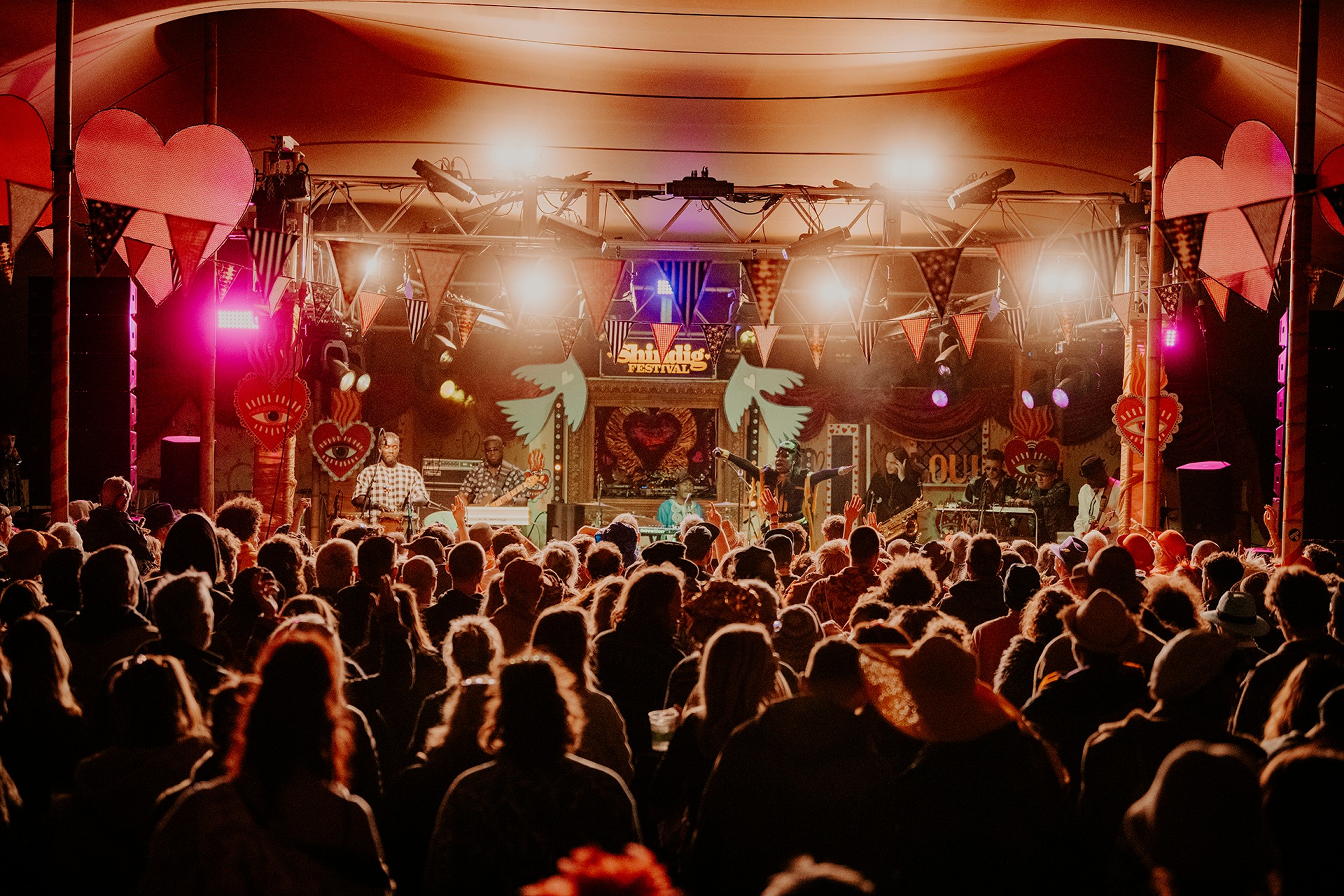
This year’s Wireless Festival was cancelled after the public, politicians and sponsors very publicly showed their disagreement with the booking of Ye as its main headliner. This year’s Shindig Festival faced a license review after the South Cotswold Conservative Association filed a complaint against the booking of punk act Bob Vylan. In 2025, the Portsmouth festival Victorious cut off the microphones and took away Palestinian flags being on show by the band The Mary Wallopers. The festival later apologised for its actions.
We’ve spoken with Shindig about the very real repercussions that festival controversy can have. We’ve also covered how events should be sticking to their guns in the face of outside pressure. But like any business festivals need to make money, so how can they protect themselves when an artist is barred from entering the country or the Prime Minister publicly calls you out?
To find out we speak with Charlie Austen, broker at the event insurance company Vento, who tells us about the hows and whys festival may be able to avoid a Ye-esque controversy.
Festival Insights: Broadly speaking, what will be some of the key repercussions behind the Ye at Wireless Festival cancellation? Reputational is an obvious one, but what might be the financial repercussions to cancelling a major event?
An event being cancelled due to the government refusing a permit for the artist’s entry to the country is typically not covered under a standard event cancellation insurance policy.
It’s important to note that policies can be tailored and bespoke. If we’re talking about standard terms and conditions being used, then the financial repercussions include not only the loss of potential profit but also unrecoverable costs from existing contractual commitments and other sunk costs.
Festival Insights: Can you insure against an event such as Ye at Wireless? If so, what would that be?
An organiser or promoter should conduct a thorough risk assessment, and consult your broker for assistance with risk identification. Following that the broker can advise on which risks can be transferred via insurance. Most aspects of event cancellation insurance are negotiable. While the policy terms and conditions lists exclusions, which are things that are not covered, these may be negotiable in some cases.
Once the broker is aware of the risks, they can approach underwriters [an insurance professional] to tailor the policy to the promoter’s needs and negotiate the premium. And people should always have a contingency plan.
A festival could potentially be insured [against an event such as Ye at Wireless] but there is no particular name for this type of insurance. Underwriters also may or may not be willing to accept that risk in the knowledge of the artist’s history. The precedent set by the UK government with the Ye announcement will likely make this harder to insure against, or certainly more expensive if an underwriter is willing to take it on.
Festival Insights: What parties suffer from a cancellation of this size, where there are major sponsors involved, production companies and venues booked, food and drink ordered and more?
Financially, it’s the supply chain that really gets hit the hardest. Even when the promoter’s insurance covers any contracted costs or fees to suppliers, the freelance event managers and staff, the security, food trucks, equipment suppliers and support acts all lose work and income. They are the ones that in most cases who don’t have insurance to cover any lost revenue due to an event cancellation.
These are the people who are left with a significant gap in their calendars that need filling. The larger companies, from production companies to artist agents, are better placed to cover themselves contractually or through insurance against financial losses. The people with boots on the ground are the individuals who suffer most.
Festival Insights: In the case of Ye at Wireless Festival, the decision to cancel the event was made after the UK Government refused Ye’s entry to the UK. Is there protection against this on both the artist and live promoter side as the decision was not the festival promoters? Who’s liable?
It’s not black and white as to whether both artist and promoter are protected as their respective policies may be bespoke. As to who is liable, that depends on the contracts.
Insurance and legal liability are not the same thing. In the case of Ye, the promoter may argue that the decision was outside their control, and Ye may argue the same. But that does not automatically mean insurance kicks in. The proximate cause still needs to be one that is not excluded under the insurance policies.
Festival Insights: How does the Ye cancellation compare to an act like Kneecap or Bob Vylan, where they were pulled from line-ups but the events themselves weren’t cancelled?
Kneecap and Bob Vylan are different as it is more of a commercial decision. For a standard event cancellation policy to be triggered, there has to be a disruption to the event that causes a financial loss. The cause needs to be one that is not excluded and it needs to be outside of the control of the insured party, anyone contracted or any insured person. This is usually the artist.
With Bob Vylan and Kneecap, it’s more of a contractual solution rather than an insurance one. If a promoter knowingly books a controversial act then it’s arguably within their control. They can mitigate the risk contractually to recover any lost artist fees and then use the fees to book another artist. Yes, there may be further financial fall out with ticket refunds, but that comes back to the risk assessment – you likely can’t rely on insurance as it’s a known risk.
Festival Insights: How can live promoters protect themselves when booking a controversial artist?
They may not be able to ever fully protect themselves, but what they should do is undergo a full risk management exercise. They need to understand what risks can be transferred via insurance, where they can protect themselves contractually and ultimately, what risk they are accepting and decide what contingency plans to put in place.
Festival Insights: Generally speaking, is a cancellation on the scale of Wireless and Ye a rarity in the live music world? Or is it something that promoters need to be increasingly aware of?
The Ye cancellation is rare. A western government refusing entry to an artist on non-legal grounds is uncommon but another notable example is Tyler, The Creator who was also barred from the UK [in 2015].
Disruptions to live events is not uncommon though and the frequency and visibility of risks to live events has certainly heightened in recent years. There’s Covid-19, climate change, political instability leading to protests and riots, national mourning, pressure on inner city councils from local residents, terrorism, cyberattacks and much more.
