
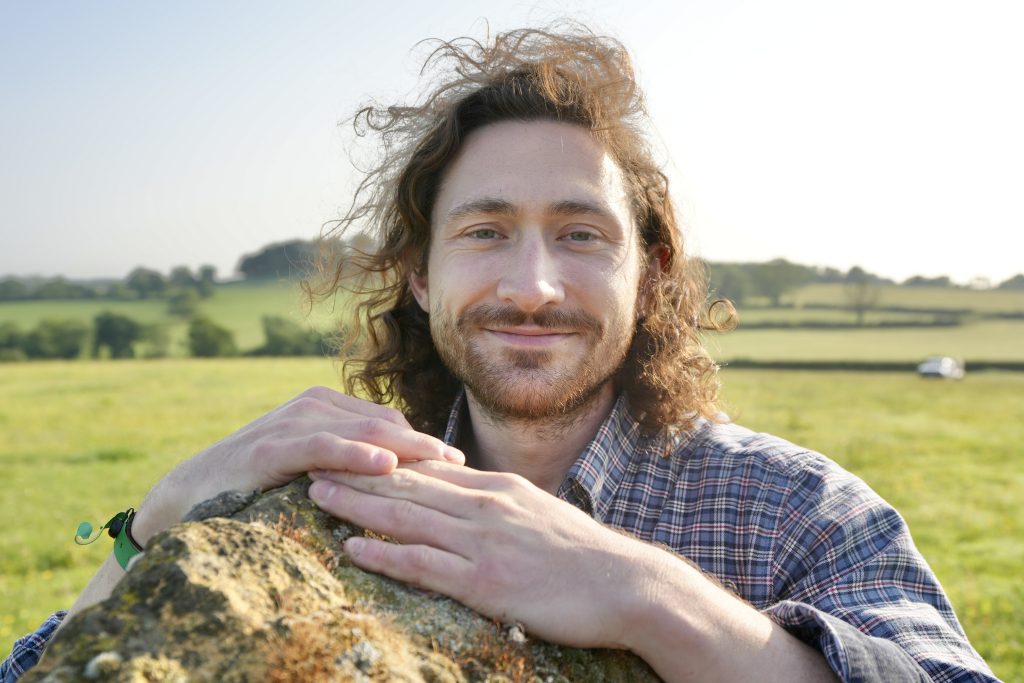
“It’s a bloody nightmare starting a new festival,” begins Alex Lane, founder of the Show of Hands. He’s not exactly wrong.
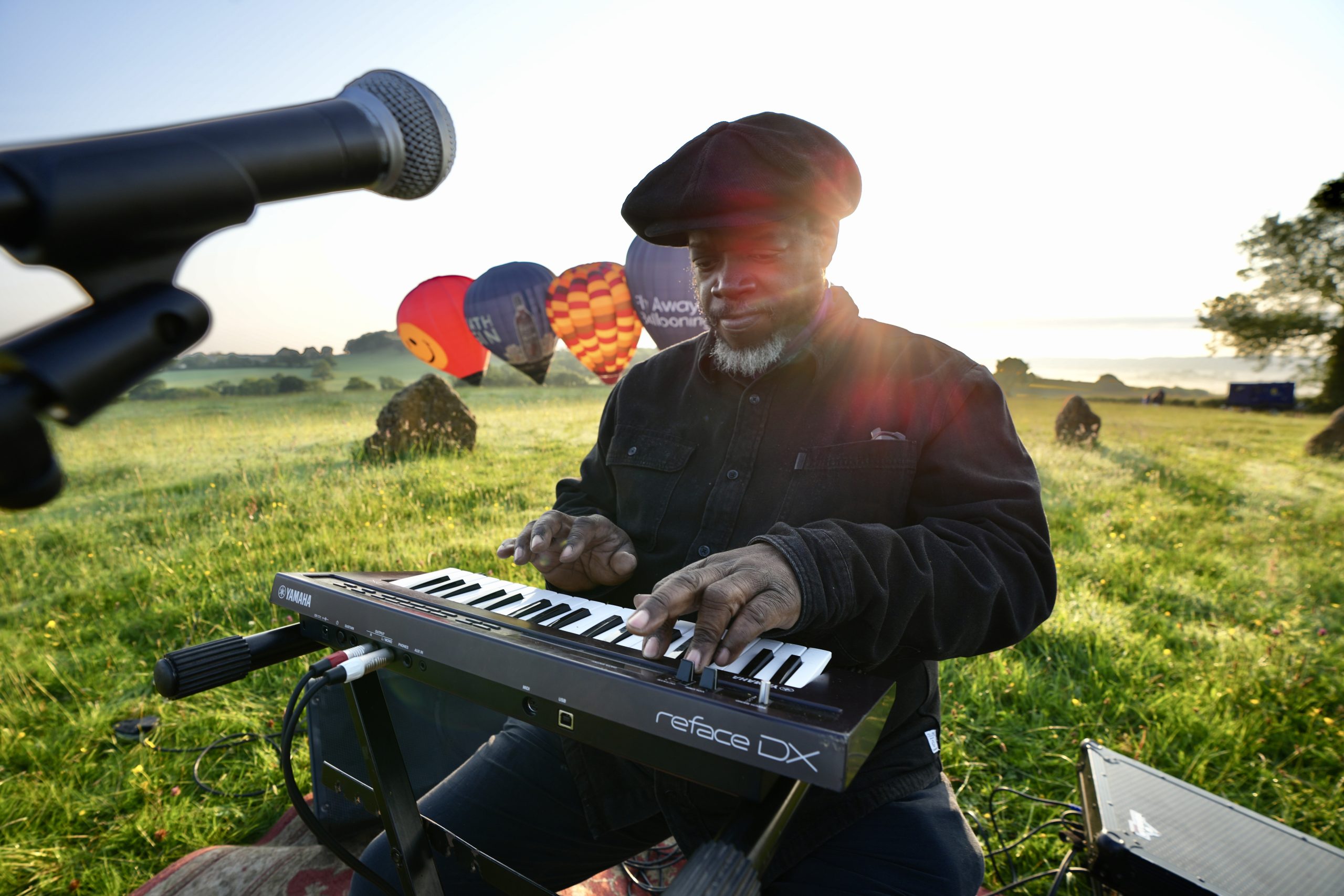
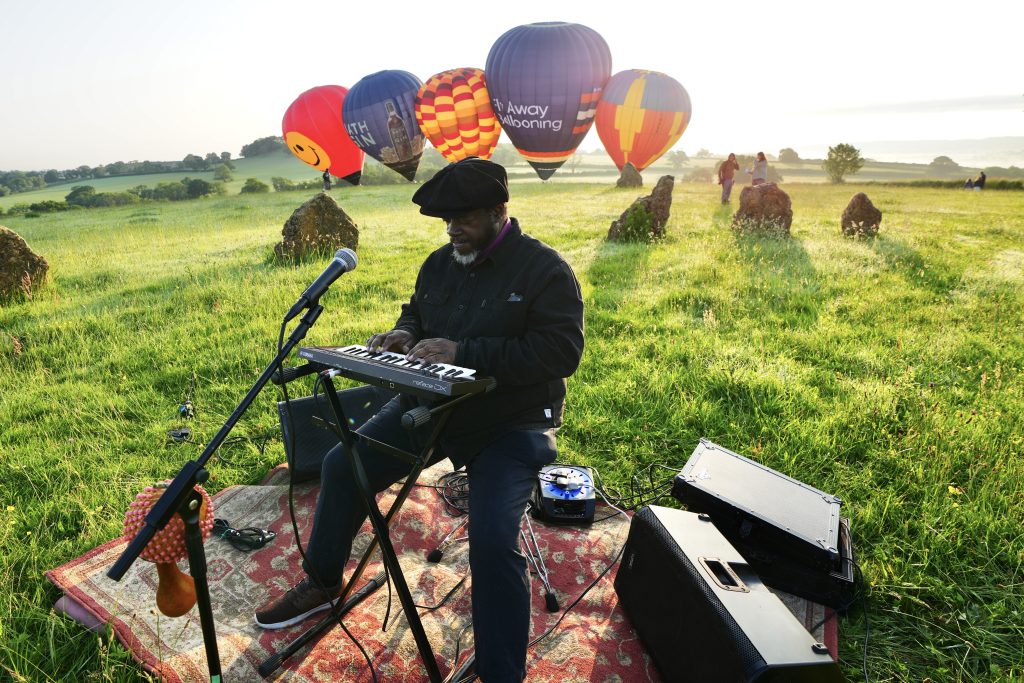
Set across 300-acres in an organic farm, Show of Hands will welcome 2500 revellers for three-days of pioneering jazz and electronic music set across the ancient fields and woodlands of Somerset. But Show of Hands is an anomaly, something that’s increasingly rare in 2026. It’s a brand new festival. Yes, a fresh, independent festival has emerged from the post-COVID wreckage.
Alex is undertaking a brave task, one perhaps born through madness but also experience and a deep understanding of what’s missing in the summer festival programme. “When we were planning [Show of Hands] we were thinking…what’s the most perverse way of putting on a festival?” laughs Alex. “Essentially, we wondered how we could do something different while still making it accessible and fun for everyone.“
For Show of Hands, one element of achieving this aim came in its line-up. It’s an obvious first step, but turned out to be something that punches far above its weight for a debut festival. The worlds of jazz and jungle collide with a collaboration between the ‘junglist massive’ MC General Levy and 10-piece collective TC & The Groove Family, something that’s set to be a “really weird and mind-blowing” show says Alex. The seven-piece dub-electronica act Submotion Orchestra will also bring some fresh and frenetic energy to the main stage alongside the American R&B icon Lady Wray.
But the Show of Hands line-up represents the beating heart of the UK underground too. There are the ‘crate diggers’ who hunt out the rarest and most obscure records from the edges of funk, soul, Afrobeat and Latin. There are the ‘DJs DJs’, those who may not be typical headline acts but have crafted their skills through decades of grinding. Newcomers often come with the freshest tracks shared through private internet links, while those arriving from overseas pack records that showcase their own unique takes on dance music culture.
Selling tickets while platforming emerging sounds is a tricky balancing act, especially for a debut festival. “You can have grand ambitions about what you want to do and what you’re imagining your festival to be, but it’s quite brutal achieving that,” says Alex. “We have to be brutal in what we can afford, discover what people want in a really competitive market and people will buy tickets for while not be too risky.“
Show of Hands isn’t Alex’s first rodeo, though. He was previously the Festival Manager for the Oxfordshire-based Truck Festival and ran operations at the much-loved Green Man. He’s worked with the production team for the immersive London-based theatre company Punchdrunk and Glastonbury’s Block9 dance arena, two experiences that helped inspire how Show of Hands will present itself to its debut crowd.
But while Alex is well-versed in the ups and downs of running a big weekender, managing (and, crucially, funding) your own festival is an entirely different beast. This is especially true if you want to remain independent. This is something Alex tackled with, yet solved with a not-quite revolutionary but definitely rare model in the festival market. Crowdfunding.
The idea for Show of Hands had been percolating in the back of Alex’s brain for five or six years, he said. Eventually, he decided to “drum up interest” and find an audience. Crowdfunding, thought Alex, would act as a beta testing phase for a fully-fledged weekender. A soapbox for a summer festival. Before long, perhaps all too quickly, £28,000 was raised and Alex had to deliver. By that point “this baby had been born, and it needed looking after,” Alex laughs.
Thankfully, he already had a plan. In the same way Show of Hands crowdfunded its budget, the festival also crowdfunded its entire weekend programme. Festival-goers were invited to vote on the artists they wanted to see and the food they wanted to eat. Investors – the crowdfunders, that is – could propose new ideas for activities, rules, traditions and concepts which would then be put to the wider community. In Alex’s words, this “created a mandate for how we put the festival together.”
While undoubtedly very stressful, the Show of Hands model offers a level of control and creativity not enjoyed by other, more established festivals. Show of Hands is both bound to the promises it gave its community, yet has a direct line to listen to what they want. An audience will tell you if you don’t deliver but will applaud you when you’re doing something right.
Bringing in big money investors would be a tempting proposition for anyone, but by resisting the big brand allure Alex enjoys a “weird dichotomy” with Show of Hands where they’re given full creative freedom while also being held to account. “If we allow sponsors to be involved we might be able to build something huge, but then it would entirely fly in the face of what we’re trying to achieve,” he says.
At the centre of Show of Hands, says Alex, is the community of people who bought a ticket. From there, he could ask himself, what if we made the audience at the centre of that entire experience?
“The Live Nations and Superstructs of this world have taken over, and their events can quite often be fairly stripped back,” says Alex. “At the centre of these festival are the funds and their investor’s wallets, not the audience. So I like to look at Show of Hands as a mirror [to the industry]. We’re entirely independent and we’re setting up to be entirely independent forever, so we can ask our audience what they want irrespective of investors. Instead of making this entirely about ourselves, let’s make it entirely about the people who come to the festival.“
Alex’s ethos with Show of Hands is not unique in making its audience key to its success. He points to the Welsh music and adventure festival Love Trails, which he says “found a little community of runners that took off post-COVID” to build a gathering that welcomes 5000 people per year. But building something that truly serves its community can’t just be a tokenistic gesture. It’s about knowing your audience but also, knowing your limits. “We can’t bring in a Led Zeppelin, but we can foster an audience who care about having their voices heard,” he says.
While delivering fan service can be key, so too is representing the local community that festivals call home for one weekend a year. The world of major festivals rely on lucrative brand deals and exclusive alcohol rights to make a profit on their 100,000+ yearly weekender. These relationships between a major festival and the fields it rents for 3-days a year can also be quite faceless, where resident concerns are often (and easily) ignored.
This is where small, independent festivals can benefit over its much bigger corporate counterparts. “Major festivals are usually not interested in engaging with people locally, but for us thats a USP,” says Alex.”We can meet with local people who have questions, which helps with our licensing requests. We can taste local food and sample the beers from local brewers and bring them to the festival. It’s better that the money goes into the local economy rather than in the pockets of Carlsberg.”
Ultimately, this community cohesion between all parties is something that could be key when creating a brand new festival amongst all the challenges that come with it. Even if it might be a bloody nightmare.
Tickets for Show of Hands festival are available now.
